“Empowering Mothers: Advancing Recognition and Overcoming Workplace Challenges”
Brussels, the 4th of November 2025
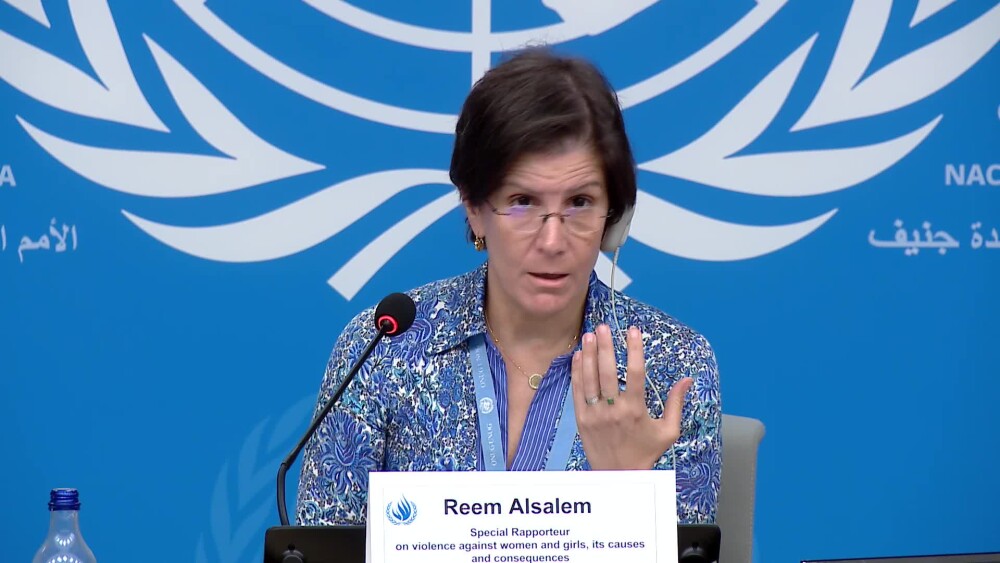
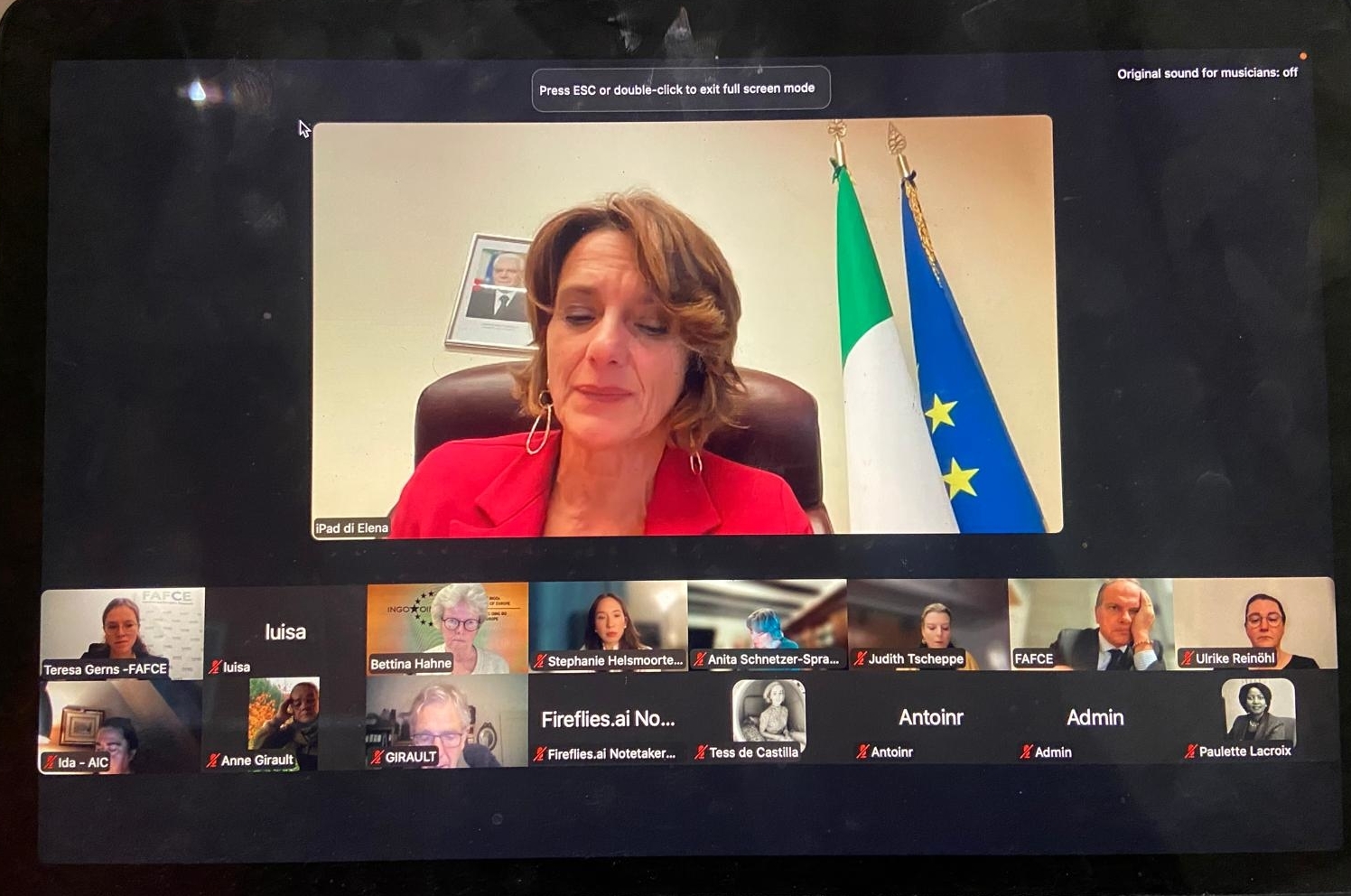
On the 13th of November FAFCE hosted an online webinar on “Empowering Mothers: Advancing Recognition and Overcoming Workplace Challenges”, bringing together 4 panelists: policymakers, politicians, civil society representatives, and women’s rights defenders to discuss how Europe can better support working mothers and family life. The event, moderated by Teresa Gerns, Advocacy Director of FAFCE and Secretary of the CINGO Committee on NGOs, with the support of Bettina Hahne and Anita Schnetzer Sprenger, offered a cross-country look at policies shaping women’s opportunities and family well-being.
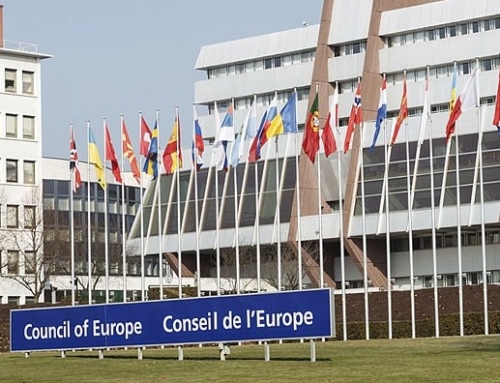
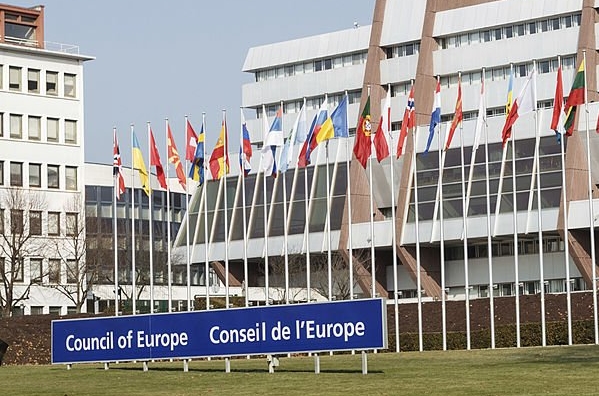
This webinar was organised in the context of the Council of Europe, because the Parliamentary Assembly of the Council of Europe, in its Resolution 2235, clearly states: “The Assembly recognises that maternity and motherhood must be supported and protected within the workplace and must not be treated as though they were impediments for a woman’s career.” Yet across Europe today, women continue to face discrimination, career stagnation, and systemic challenges simply because they are mothers or wish to become mothers.
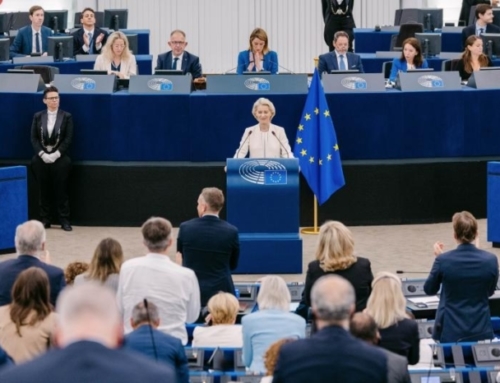
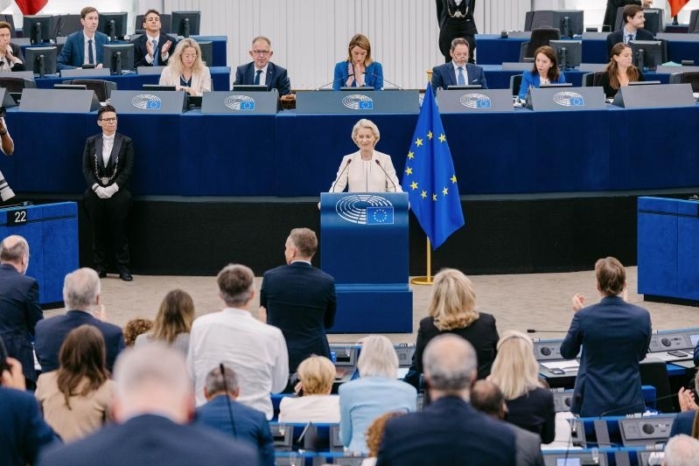
The first speaker, Elena Bonetti, Member of the Parliamentary Assembly of the Council of Europe (Italy, ALDE) and former Italian Minister of Equal Opportunities and Family, presented Italy’s reforms placing gender equality at the heart of national recovery. Bonetti emphasized that Italy’s growth requires policies that make motherhood a sustainable choice. The Family Act, a framework law in Italy, unified benefits and recognized work–life balance as a duty for a society aiming to make parenting a sustainable choice and recognising it as an investment for society. She explained: “the goal is to make the choice to form a family a sustainable, and not a risky one”. She stressed the need to invest in childcare, promote paternity leave and encourage family formation and to remind that “children are not a private burden of the family, but a public good, and so a public responsibility.” Ms Bonetti concluded that society must abandon the stereotype that mothers cannot be productive workers: “Only with mothers can we form a more sustainable society.”
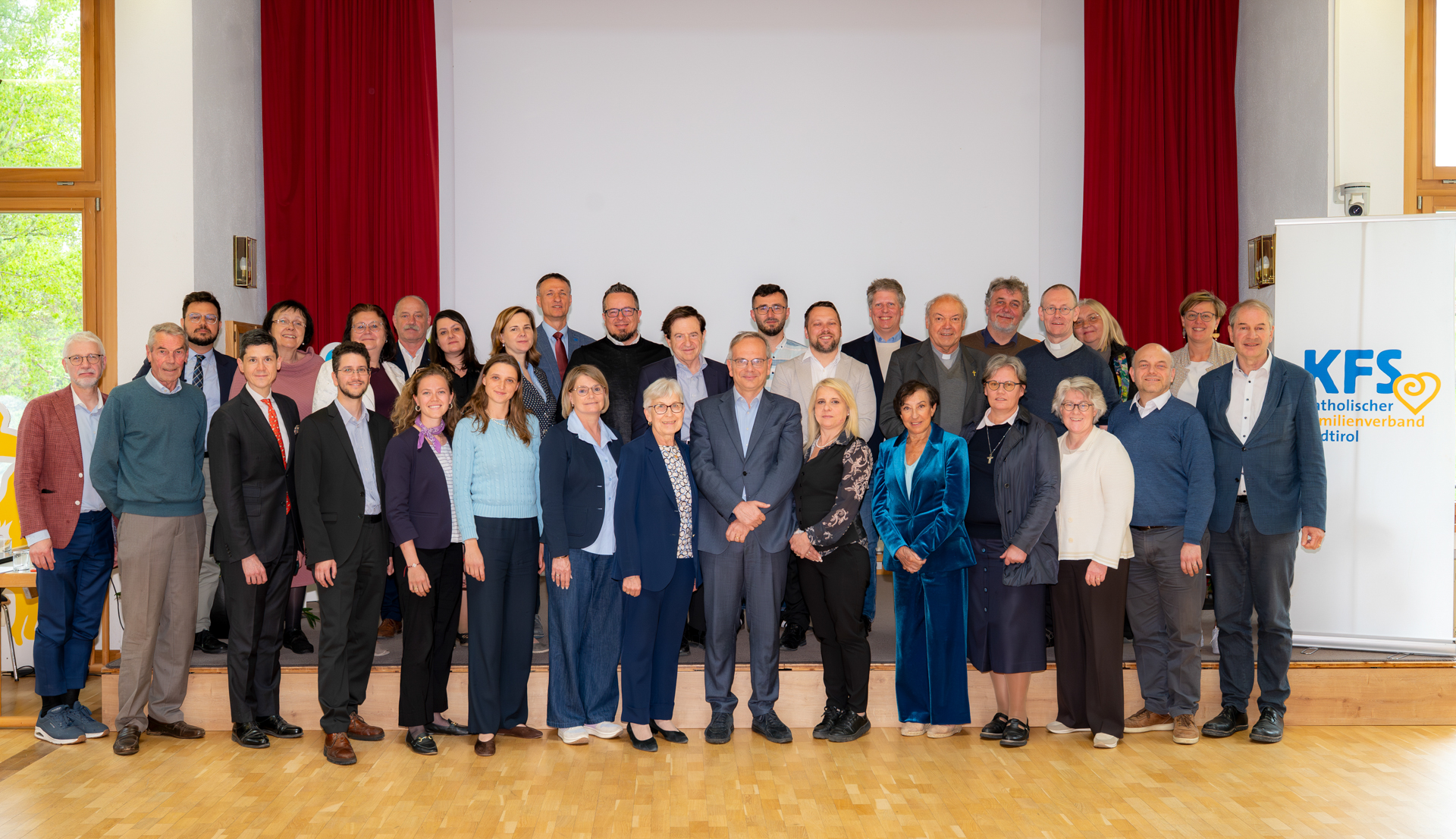
Judith Tscheppe, Vice President of the Austrian Catholic Family Federation, described Austria’s generous leave system – 16 weeks maternity leave, one month paid paternity leave from 2025, and up to 24 months parental leave – alongside flexible work options and family-friendly employer certifications. Yet cultural norms and care burdens still hold women back. However, Tscheppe called for stronger paternity involvement, reduced pay gaps, and more creative employer solutions. “Society should consider creative family support,” she underlined, proposing flexible schedules, job sharing, office baby options or family meals, and better childcare infrastructure.
Stephanie Helsmoortel of Femina Europa addressed maternal mobbing, discrimination tied to pregnancy and motherhood. Recognized by the European Parliament in 2018 as a key dimension of work-life balance, it includes denied promotions, contract downgrades, and psychological pressure. Maternal mobbing causes career stagnation, financial loss, and mental stress. Helsmoortel insisted that protecting mothers requires legal enforcement, company culture shifts, and societal recognition of motherhood as a social leadership asset. Ms. Helsmoortel recommended an EU-wide observatory on family-related discrimination to track maternal mobbing and policy effectiveness, embedding Maternal mobbing prevention in upcoming EU equality, employment, and demographic policies to sustain Europe’s social and economic future. She called for stronger inspections, support for non-standard workers, and certification schemes that reward family-friendly policies: “Motherhood must be seen not as a liability, but as a value for society.”
FAFCE President Vincenzo Bassi concluded by urging to consider family policies as investments rather than costs. Families, he argued, are essential for sustainable development and social cohesion. He also emphasized the need to support family networks “the greatest challenge for families is loneliness; building family networks can provide crucial social support and problem-solving capacity”. He also highlighted the need for subsidiarity: “one-size-fits-all policies fail urban and rural families differently, so flexible, localized approaches respecting family autonomy are necessary”. In the framework of the discussion about working mothers, he pointed out that “success should be redefined beyond careers; not everyone achieves traditional career success, yet life fulfillment and happiness are attainable through varied paths”. Finally, he concluded that we need policies focused on the common good: “The economy must serve people, not the other way around.”
The webinar highlighted a clear common vision: Europe’s future growth and cohesion depend on enabling women to choose how to balance their family life and work, protecting motherhood, and treating family life as a cornerstone of the common good.
By supporting working mothers, we are not only protecting individual rights – we are investing in a more solidary, longterm, and sustainable society for all.