Brussels, 11 February 2026
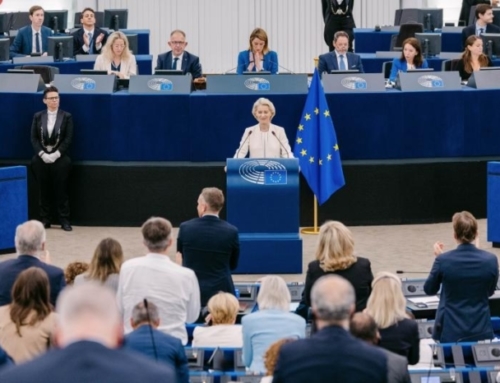
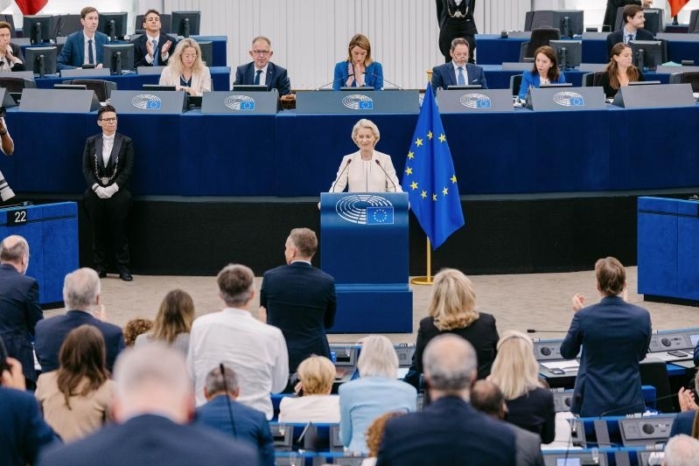
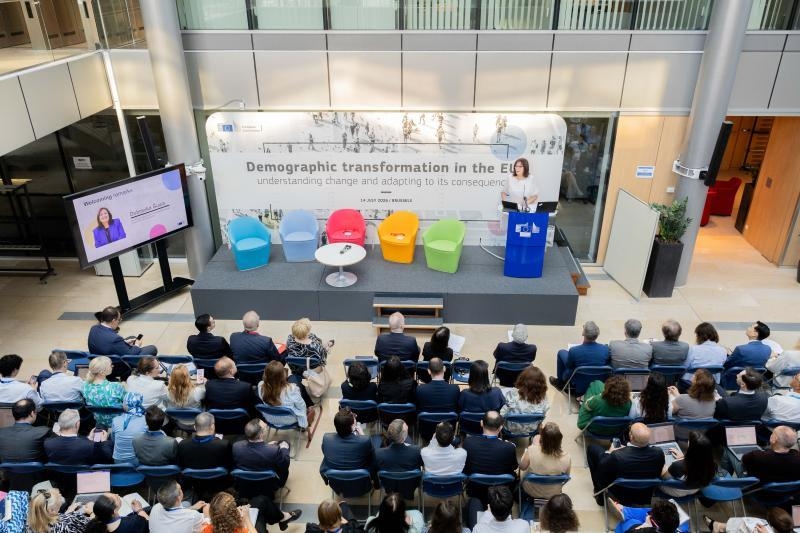
On Wednesday 11 February, the European Parliament have debated on the question of Education.
The Federation of Catholic Family Associations in Europe takes the opportunity to reaffirm the importance of education, both for children and for the whole society.
Article 18 of the Convention on the Rights of the Child states that “Parents or, as the case may be, legal guardians, have the primary responsibility for the upbringing and development of the child”.
FAFCE recalls that education begins in the family, where parents hold the original responsibility for the education of their children. This responsibility is rooted in both a right of the child and a duty of the parents — this is critical especially in the formulation, delivery, and monitoring of educational policies. It is crucial to remember what is stated in the encyclical Rerum Novarum by Pope Leo XIII that “the family is a small but true society, and prior to any civil society.”
FAFCE also reminds the European Parliament that on November 11th2021 , this house adopted a Resolution on “The European Education Area: a shared holistic approach”, providing several guidelines to tackle the educational challenges.
In this Resolution, the role of parents in the education of their children is upheld:
[The European Parliament]
“8. Appreciates the Commission’s efforts to foster an EEA, while noting the need for a more holistic approach which requires meaningful cooperation and coordination between all actors and a diverse range of stakeholders, including the education and training community, parents’ associations, social partners, trade unions, youth organisations, youth workers and civil society;”
“14. […] highlights the need for teachers to support and be supported by parents given their complementary roles in the education of children; recalls that training courses should also take into account the multicultural and multilingual environments in which teachers and educators work;”
“45. […] stresses that the governance framework should involve all relevant stakeholders working in all areas of learning, including youth workers and youth organisations as well as parents’ associations;”
Our Federation has been reminding for decades of the primary role of parents in the education of their children, as internationally enshrined by Article 18 of the UN Convention on the Rights of the Child (1989), and of the duty of States to respect the parents’ religious and moral beliefs when it comes to the education of their children.
The cooperative role between parents and teachers must be viewed as a partnership rather than in an opposition. While parents have the original and immediate responsibility for their children, teachers can also play a part in the health, safety, and development of the child. This is most evident in the family associations across Europe, so many of whom we are proud to count as FAFCE members.
Children do not grow isolated from the society, but into the smallest form of society, which is the family and where they start constructing their identity”. This echoes both a Recommendation of the Council of Europe that “the family has a paramount role in the upbringing of children, including in the choice of a religious upbringing”; as well as the Papal encyclical Rerum Novarum which stressed that “a family, no less than a state, is, as we have said, a true society” (RN §13).
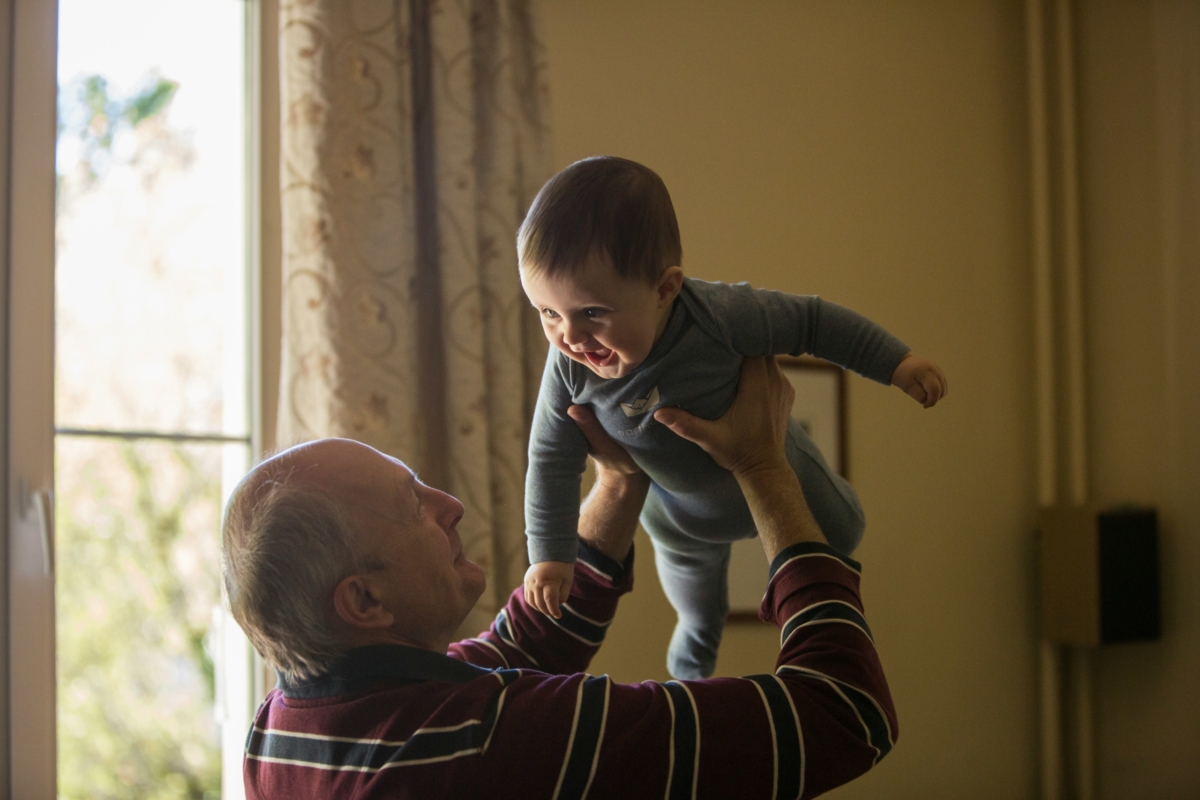
Parents are persons with all their specificities, and they are given the noble responsibility of raising their children inside their family. Regardless of their professional occupation, parents are not only workers but also educators of their children.
FAFCE also welcomes the emphasis given to the role of parents’ and family associations. Associations of families act as networks of support for families, who often feel alone in their educational responsibility.
Networks of families combat loneliness in a challenging culture. The joyful responsibility of starting a family can be encouraged and facilitated by the support of family associations in favour of the best interests of the child.
A core founding principle of the European Union is the principle of subsidiarity, which safeguards national competencies of sovereign Member States. In the context of liberty and education, parents ought to have the freedom to choose how to educate their children; which should be respected and promoted by the state.
We want to identify three key threats to subsidiarity.
- Limiting Parental Authority: Statements and policies limiting parents’ control over their children’s education undermine the family’s primary role.
- State Overreach: Restricting parental veto rights is seen as the state overstepping its role, which should support rather than impose.
- Disregarding the Common Good: Subsidiarity emphasises achieving educational goals without overriding the family’s fundamental responsibilities and rights.
Education is a national competency under the governance of Member States, which is why it must be protected from centralised over-reaching from European institutions that stifles this liberty for parents. In some cases, the institutions enter to legislate or to set political directions imperative for Member States, and against the principle of subsidiarity and of proportionality, which protects the capacity of national governments to legislate on matters exclusive of their competence.
Parents and the family together have the original responsibility for their children’s education and well-being, as they know the individual needs of their children better than anyone else. Acting also as a bridge between children and schools, parents must be considered first stakeholders in education systems. FAFCE President Vincenzo Bassi concludes saying “the schools exist because they have to provide a service to the families.”
https://www.fafce.org/the-european-parliament-recognises-the-complementary-role-of-parents-in-the-education-of-children/