Art & Family
The Family is very connected with Art. In this page we would like to encourage families with all their members to live with Art and to make of art by their lives living their faith.
As John Paul II Pope said in 1999 in its Letter to the Artists “Society needs artists, just as it needs scientists, technicians, workers, professional people, witnesses of the faith, teachers, fathers and mothers, who ensure the growth of the person and the development of the community by means of that supreme art form which is “the art of education”. Within the vast cultural panorama of each nation, artists have their unique place. Obedient to their inspiration in creating works both worthwhile and beautiful, they not only enrich the cultural heritage of each nation and of all humanity, but they also render an exceptional social service in favor of the common good.
The particular vocation of individual artists decides the arena in which they serve and points as well to the tasks they must assume, the hard work they must endure and the responsibility they must accept. Artists who are conscious of all this know too that they must labour without allowing themselves to be driven by the search for empty glory or the craving for cheap popularity, and still less by the calculation of some possible profit for themselves. There is therefore an ethic, even a “spirituality” of artistic service, which contributes in its way to the life and renewal of a people. It is precisely this to which Cyprian Norwid seems to allude in declaring that “beauty is to enthuse us for work, and work is to raise us up”.
The distinction between the moral and artistic aspects is fundamental, but no less important is the connection between them. Each conditions the other in a profound way. In producing a work, artists express themselves to the point where their work becomes a unique disclosure of their own being, of what they are and of how they are what they are. And there are endless examples of this in human history. In shaping a masterpiece, the artist not only summons his work into being, but also in some way reveals his own personality by means of it. For him art offers both a new dimension and an exceptional mode of expression for his spiritual growth. Through his works, the artist speaks to others and communicates with them. The history of art, therefore, is not only a story of works produced but also a story of men and women. Works of art speak of their authors; they enable us to know their inner life, and they reveal the original contribution which artists offer to the history of culture. A noted Polish poet, Cyprian Norwid, wrote that “beauty is to enthuse us for work, and work is to raise us up”. The theme of beauty is decisive for a discourse on art. It was already present when I stressed God’s delighted gaze upon creation. In perceiving that all he had created was good, God saw that it was beautiful as well. The link between good and beautiful stirs fruitful reflection. In a certain sense, beauty is the visible form of the good, just as the good is the metaphysical condition of beauty. This was well understood by the Greeks who, by fusing the two concepts, coined a term which embraces both: kalokagathía, or beauty-goodness. On this point Plato writes: “The power of the Good has taken refuge in the nature of the Beautiful”.
Tate Gallery is inviting us to Explore how artists have responded to the theme of Family
National Gallery Art is inviting you to Discover a variety of multi-generational programs
Kids and Families. The Met Museum has so much to offer kids and their families
News from FAFCE Members & Friends
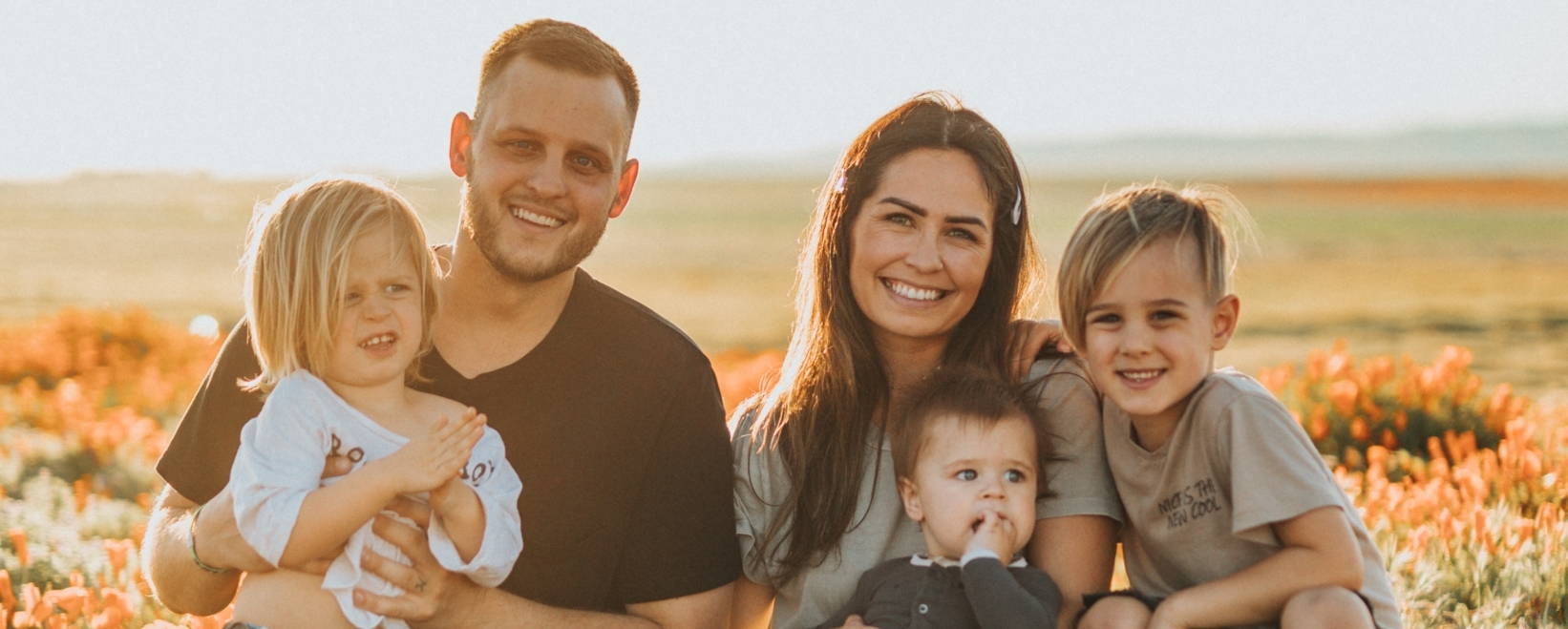
News from FAFCE Members & Friends France - Confederation of Catholic Family Associations (CNAFC) The last few months have demonstrated the importance of the family structure and the role of parents in their children’s education. French family associations
Scandal of the surrogacy industry in Ukraine: let’s put a stop
Scandal of the surrogacy industry in Ukraine: let’s put a stop Over the recent years, Ukraine has become an international hub for the practice of surrogacy, often acting against their own State legislation, due to its competitive prices

CALL FOR APPLICATIONS | FAFCE Internship Programme
CALL FOR APPLICATIONS FAFCE Internship Programme (October 2020- February 2021) The Federation of Catholic Family Associations in Europe is an umbrella organisation of family associations from all over Europe. Our General Secretariat is based in Brussels, Belgium. Founded in
European Commission Report on the Impact of Demographic Change
Is the European Union finally considering the demographic challenges in Europe? Over the last years, FAFCE has been raising awareness on the demographic challenges faced by European Countries: no EU Member State reaches the so-called replacement fertility rate of

FAFCE publishes its 2019 Family Policy Report!
FAFCE is happy to publish its 2019 Family Policy Report, which provides an overview of family policies in selected EU Member-States, in the perspective of the implementation of the EU Directive on work-life balance for parents and carers. The
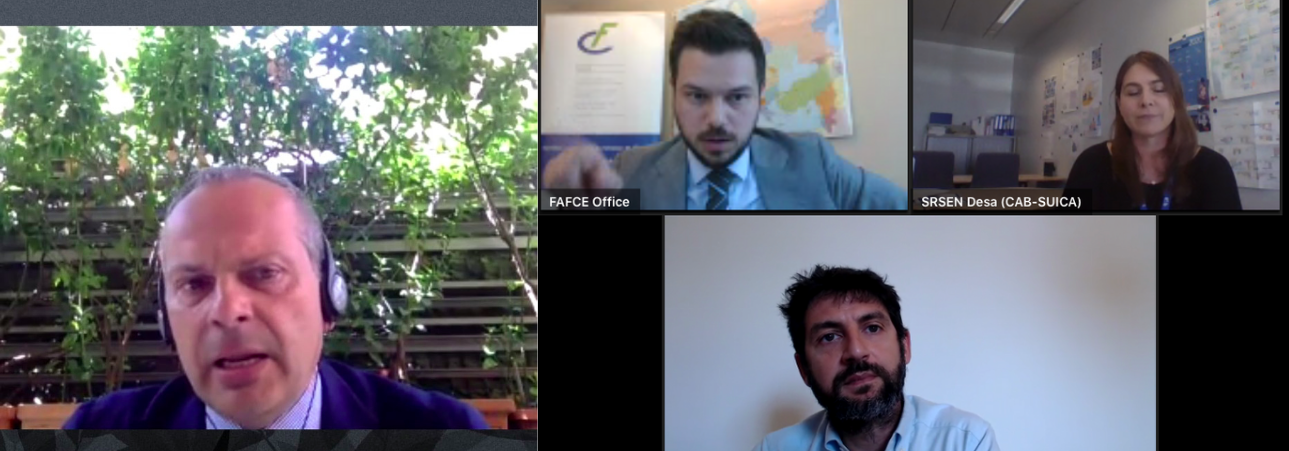
Press Release | Demographic Challenges and Sustainable Development. A new chapter for Family Policies in Europe?
Brussels, 26 June 2020 “Family Associations are not a lobby group, they are not a trade union, they are not only a consumers’ association; they are, first and foremost, the voice of the family, the first basic community,
