Strasbourg, 6 November 2026
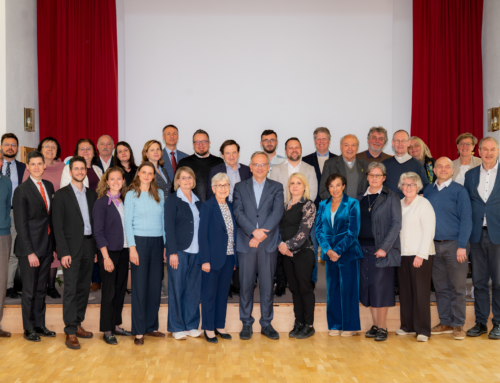
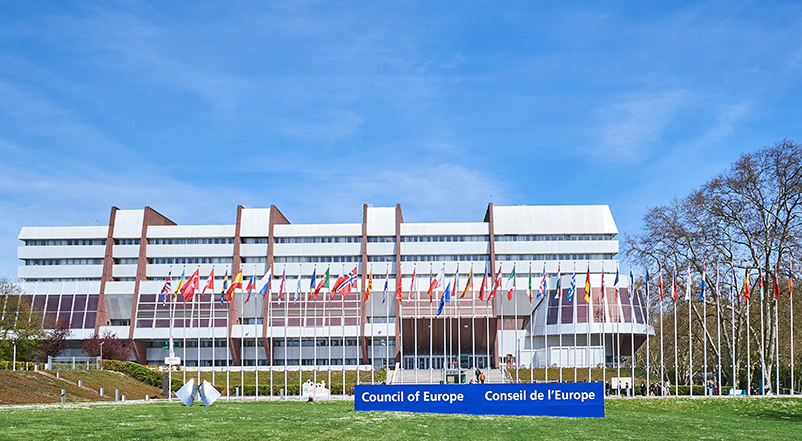
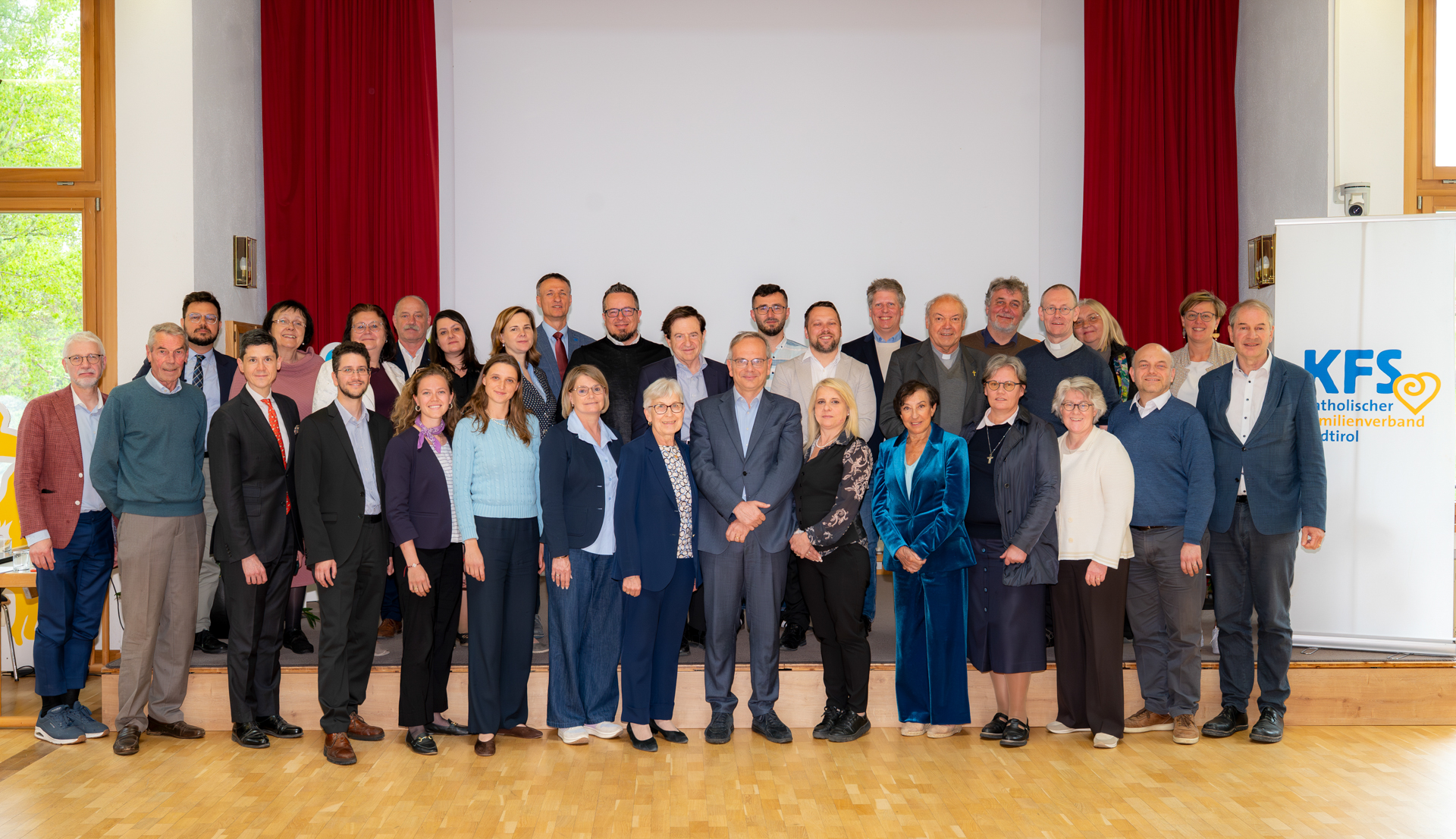
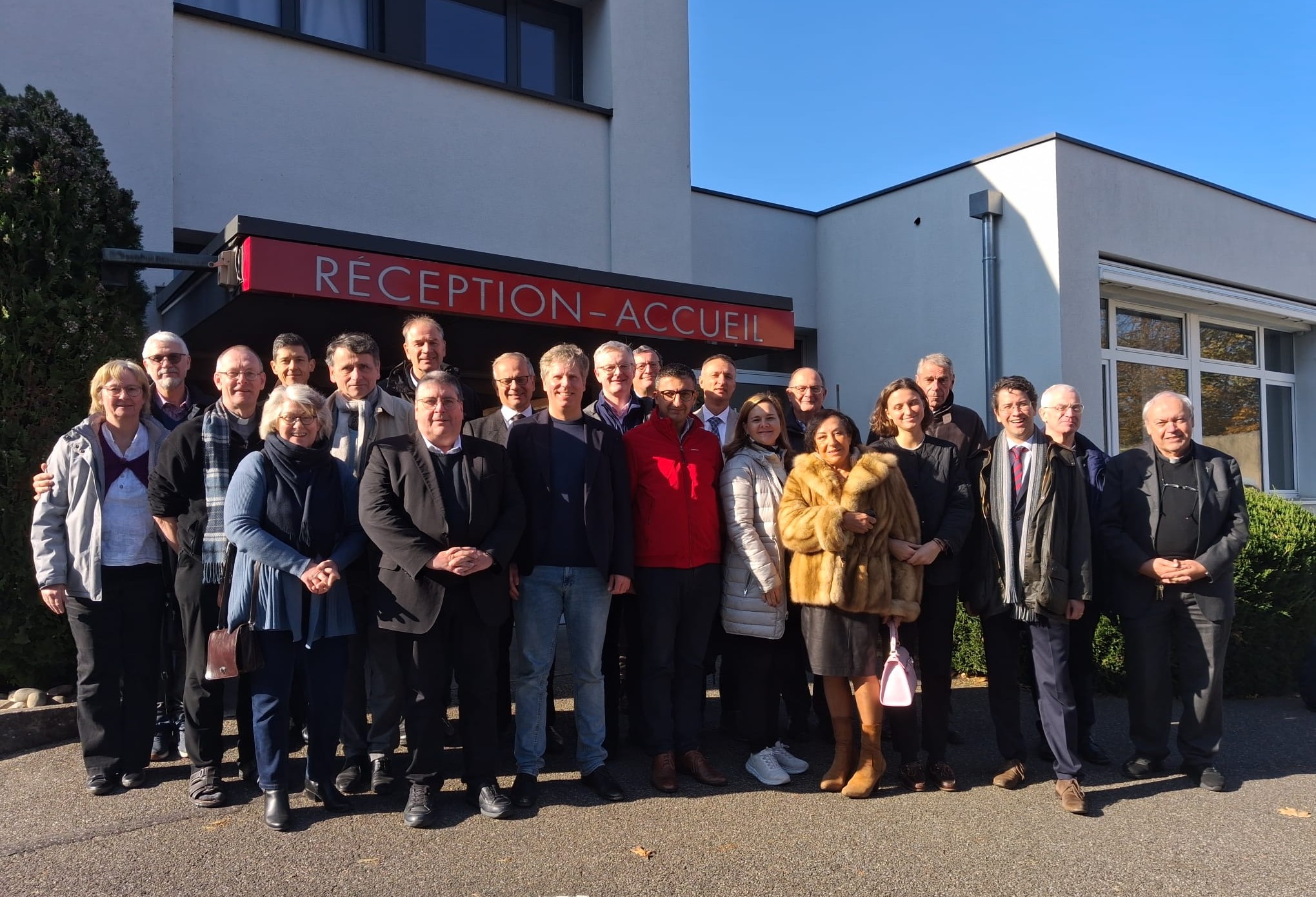
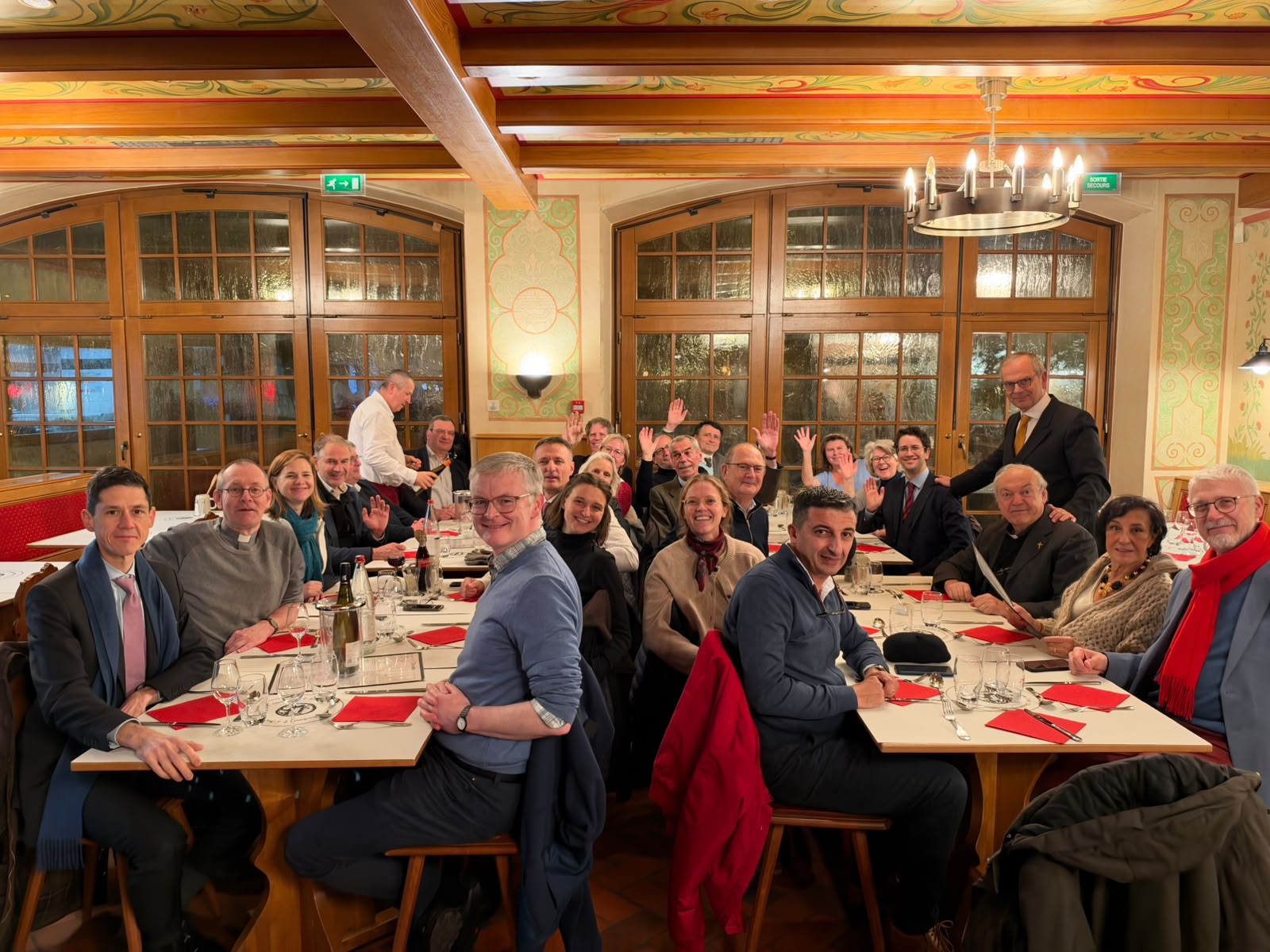
Between 3 and 5 November 2026, FAFCE held its biannual Board Meeting in Strasbourg, France. It is a long-standing tradition for FAFCE to gather in Strasbourg every five years during the autumn. The FAFCE Secretariat and FAFCE Members associations gathered at the St. Thomas Cultural Centre to exchange views on their respective activities and discuss the work of the Federation at both European and UN levels.
FAFCE renews its Bureau :
This Board Meeting was particularly marked by important changes to the composition and responsibilities of the FAFCE Bureau! On Thursday, 5 November, the Members re-elected Vincenzo Bassi as President of FAFCE for another three years, warmly thanking him for his service and dedication.
Vincenzo Bassi, husband and father of three, is an Italian tax lawyer working as barrister at the Italian Supreme Court. He holds a PhD in Constitutional Law and European Constitutional Law and is vice-president of the Italian Catholic jurists‘ association. He is a Member of the Board of the Italian Forum of Family Associations and is the President of the Federation of Catholic Family Associations in Europe (FAFCE) since October 2019. Apart from his Italian mother-tongue, Vincenzo Bassi speaks English, German, French, Spanish and Portuguese.
Additionally, Angelika Mitterrutzner (KFS, South Tyrol) was re-elected as Vice-President. Kalman Daboczi (T72, Hungary) and Ulrich Hoffman (FamilienBund, Germany) were elected as new vice-presidents.
FAFCE also appointed its new Secretary General, Matthieu Bruynseels (Belgium). He takes office replacing Nicola Speranza in the charge of coordinating the work of the Federation. Matthieu Bruynseels is married and have a baby boy. Graduated from the Catholic University of Louvain, he lives in Brussels.
Gathering of Catholic Family Associations :
The Board Meeting began on Tuesday, 3 November, with Members associations presenting their activities from the previous semester.
In the afternoon, FAFCE welcomed Grégor Puppinck, Director General of the European Centre for Law and Justice (ECLJ), for a conference on the defense of Human Rights.
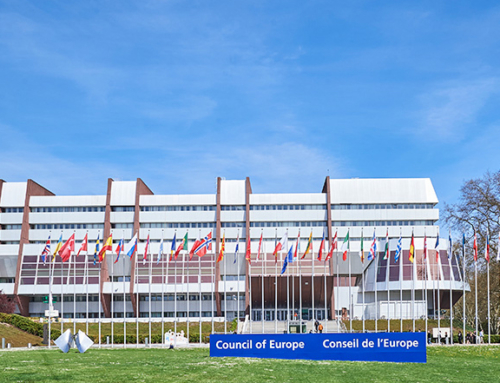
Grégor Puppinck highlighted that “FAFCE is one of the few organisations with NGO status at the Council of Europe, so this presence is very important to defend the rights of the family at the Council of Europe.” He also encouraged FAFCE and its Members in their mission, explaining the importance and uniqueness of grassroots organisations representing a large number of families. “Your freedom is to educate new generations: we need to educate families. As you are a grassroots organisation, you have real potential.”
FAFCE President Vincenzo Bassi added: “Human rights should not present the family as a problem, but rather as a solution. The international and national levels must also work together.”
During the second day, FAFCE Secretariat presented its Activity Report, covering the period from May to October 2026, as well as the Roadmap for the coming semester.
Cornel Barbuț, from the Romanian Catholic Family Association Vladimir Ghika, presented a concrete project: the 2027 European Art Contest, which was previously organised by FAFCE in 2023. This project will seek artworks that express, through the universal language of art, the convergence of “Hope and Peace” and how they reinforce one another. The prizes award ceremony will take place in Rome in June 2027
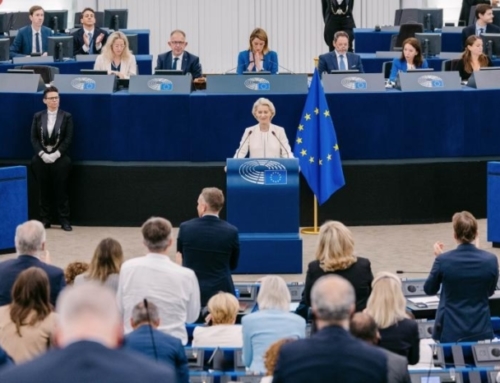
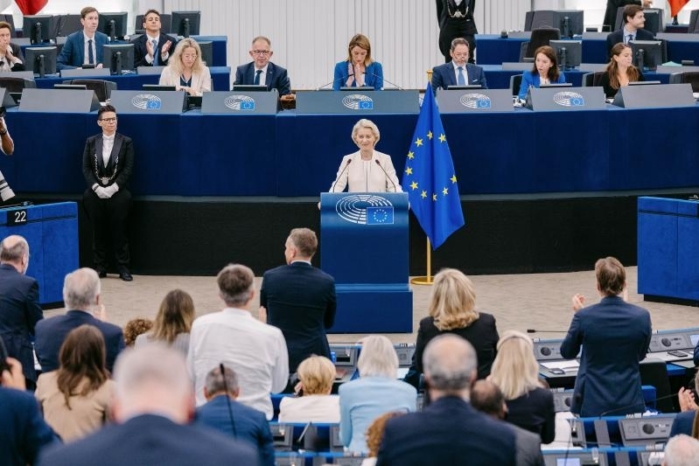
On Wednesday afternoon, Members visited the European Parliament. In the evening, they took part in a simulation of a Chantiers-Education, led by Bénédicte Boudineau, National Coordinator of Chantiers-Éducation. Discussing in small groups, members shared their experiences, listened to one another and discussed questions related to education and memories of their family lives. This activity allowed members to gain a better understanding of how an Education-Workshop works while enriching one another through the exchange of practical experiences from family life.
FAFCE stands for respect of pluralism :
On the final day, the FAFCE Resolution on “Pluralism” was adopted. FAFCE recalled that: “Family policies fall within the competence and responsibility of national states, in accordance with the principle of subsidiarity. With regard to pluralism, a Catholic-inspired perspective is a legitimate voice within a pluralistic democratic society.”
In the same Resolution, FAFCE also called: “To ensure that civil society organisations, including faith-based and family associations, have fair and transparent opportunities to participate in public consultations and to apply for public funding, subject to objective, proportionate and publicly accessible eligibility criteria, without unjustified discrimination on the grounds of their religious or philosophical convictions.”
The works concluded on Friday, 6 November, with lunch and a guided tour of Strasbourg’s city centre, organised by Me Jean Paillot, chairman of the local Catholic family association.