Art & Family
The Family is very connected with Art. In this page we would like to encourage families with all their members to live with Art and to make of art by their lives living their faith.
As John Paul II Pope said in 1999 in its Letter to the Artists “Society needs artists, just as it needs scientists, technicians, workers, professional people, witnesses of the faith, teachers, fathers and mothers, who ensure the growth of the person and the development of the community by means of that supreme art form which is “the art of education”. Within the vast cultural panorama of each nation, artists have their unique place. Obedient to their inspiration in creating works both worthwhile and beautiful, they not only enrich the cultural heritage of each nation and of all humanity, but they also render an exceptional social service in favor of the common good.
The particular vocation of individual artists decides the arena in which they serve and points as well to the tasks they must assume, the hard work they must endure and the responsibility they must accept. Artists who are conscious of all this know too that they must labour without allowing themselves to be driven by the search for empty glory or the craving for cheap popularity, and still less by the calculation of some possible profit for themselves. There is therefore an ethic, even a “spirituality” of artistic service, which contributes in its way to the life and renewal of a people. It is precisely this to which Cyprian Norwid seems to allude in declaring that “beauty is to enthuse us for work, and work is to raise us up”.
The distinction between the moral and artistic aspects is fundamental, but no less important is the connection between them. Each conditions the other in a profound way. In producing a work, artists express themselves to the point where their work becomes a unique disclosure of their own being, of what they are and of how they are what they are. And there are endless examples of this in human history. In shaping a masterpiece, the artist not only summons his work into being, but also in some way reveals his own personality by means of it. For him art offers both a new dimension and an exceptional mode of expression for his spiritual growth. Through his works, the artist speaks to others and communicates with them. The history of art, therefore, is not only a story of works produced but also a story of men and women. Works of art speak of their authors; they enable us to know their inner life, and they reveal the original contribution which artists offer to the history of culture. A noted Polish poet, Cyprian Norwid, wrote that “beauty is to enthuse us for work, and work is to raise us up”. The theme of beauty is decisive for a discourse on art. It was already present when I stressed God’s delighted gaze upon creation. In perceiving that all he had created was good, God saw that it was beautiful as well. The link between good and beautiful stirs fruitful reflection. In a certain sense, beauty is the visible form of the good, just as the good is the metaphysical condition of beauty. This was well understood by the Greeks who, by fusing the two concepts, coined a term which embraces both: kalokagathía, or beauty-goodness. On this point Plato writes: “The power of the Good has taken refuge in the nature of the Beautiful”.
Tate Gallery is inviting us to Explore how artists have responded to the theme of Family
National Gallery Art is inviting you to Discover a variety of multi-generational programs
Kids and Families. The Met Museum has so much to offer kids and their families
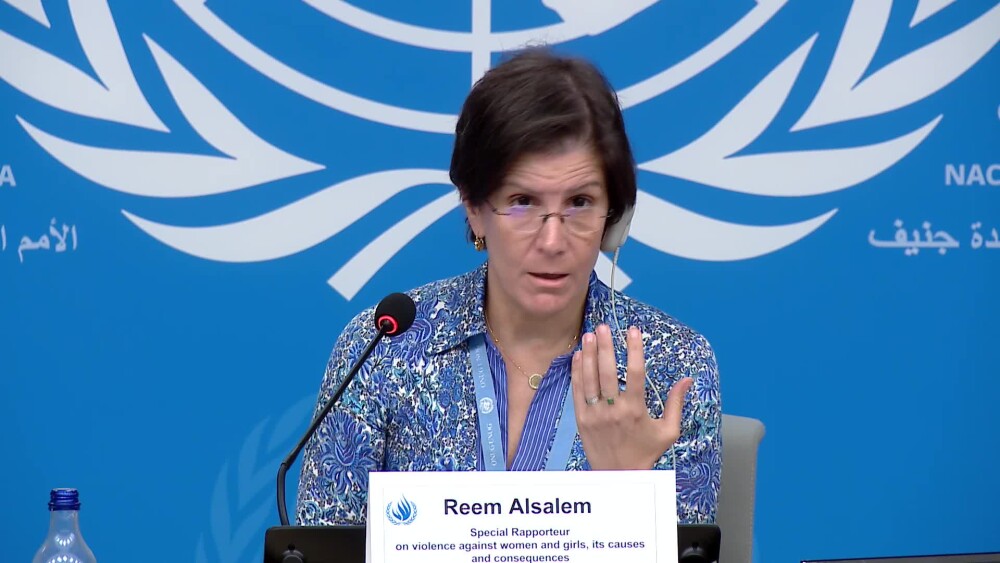
Reem Alsalem talks on surrogacy in the European Parliament’s Human Rights Committee
Brussels, 15 July 2026 The United Nations Special Rapporteur on Violence against Women and Girls, Reem Al-Salem (from Jordan), was invited by the Subcommittee on Human Rights of the European Parliament. The Subcommittee chair, Mounir Satouri (Greens) expected that members
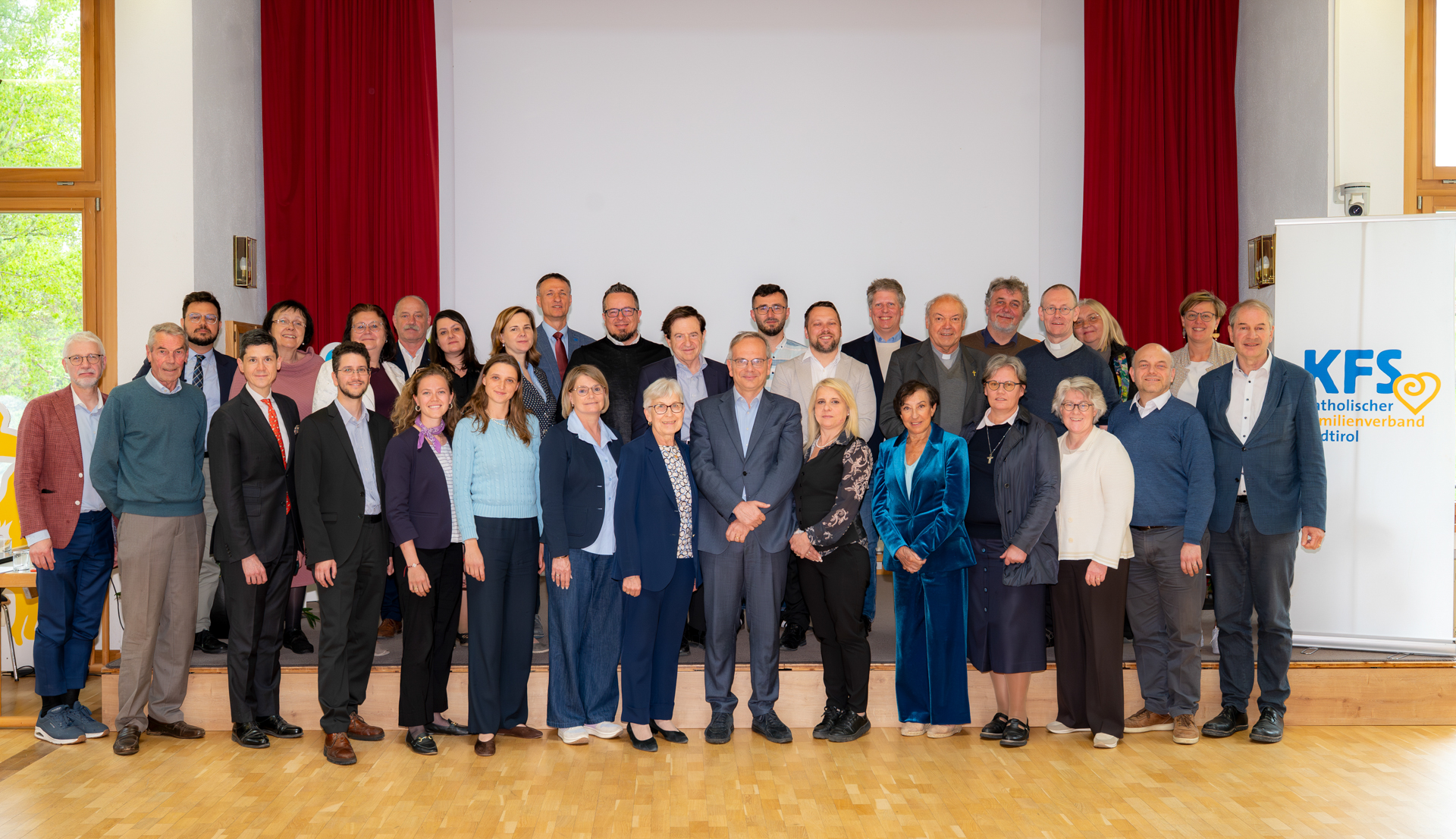
Summer Newsletter 2026
17th August 2026 Dear friends of FAFCE, In this heated Summer, we hope that you are given the time to rest and to take care of your family. Holidays are the best moments to tighten the bonds between generations
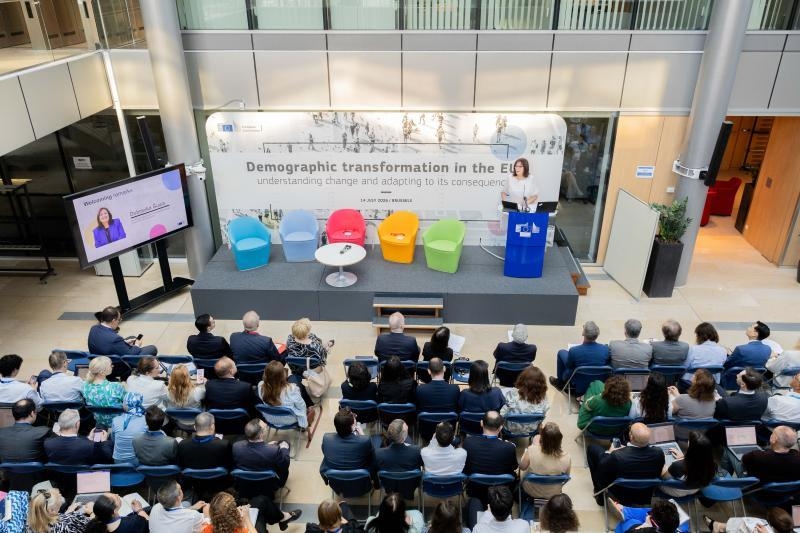
EU: the topic of demography reaches a new step !
Brussels, 14 July 2026 After its first-ever demography report in 2020 and its second demography report in 2023 after Brexit and the Covid-pandemic, the European Commission presented the third edition of this strategy during a hot Tuesday in Brussels,
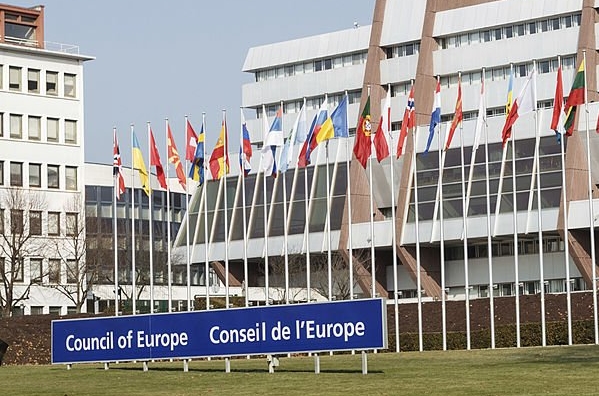
Council of Europe consensus on the negative impact of pornography consumption on children
Brussels, 23rd of July 2026 Between the 22nd and 26th of June 2026, FAFCE was closely following the Parliamentary Assembly of the Council of Europe in Strasbourg and met with Members of the Assembly and relevant stakeholders. Among the
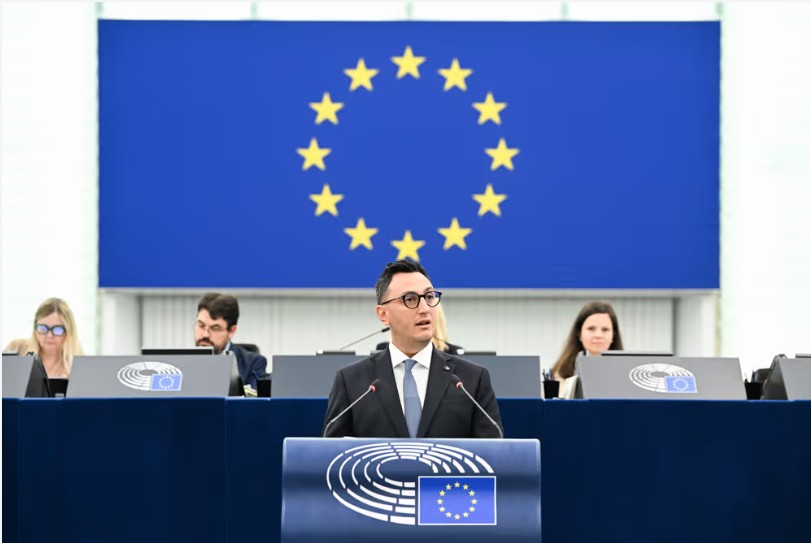
Harmful content on social media targeted by the European Commission
Brussels, 22nd June 2026 On Wednesday 17 June 2026, the plenary session of the European Parliament debated over the ways to protect children’s safety and mental health from the risks posed by social media. European Commissioner for intergenerational solidarity
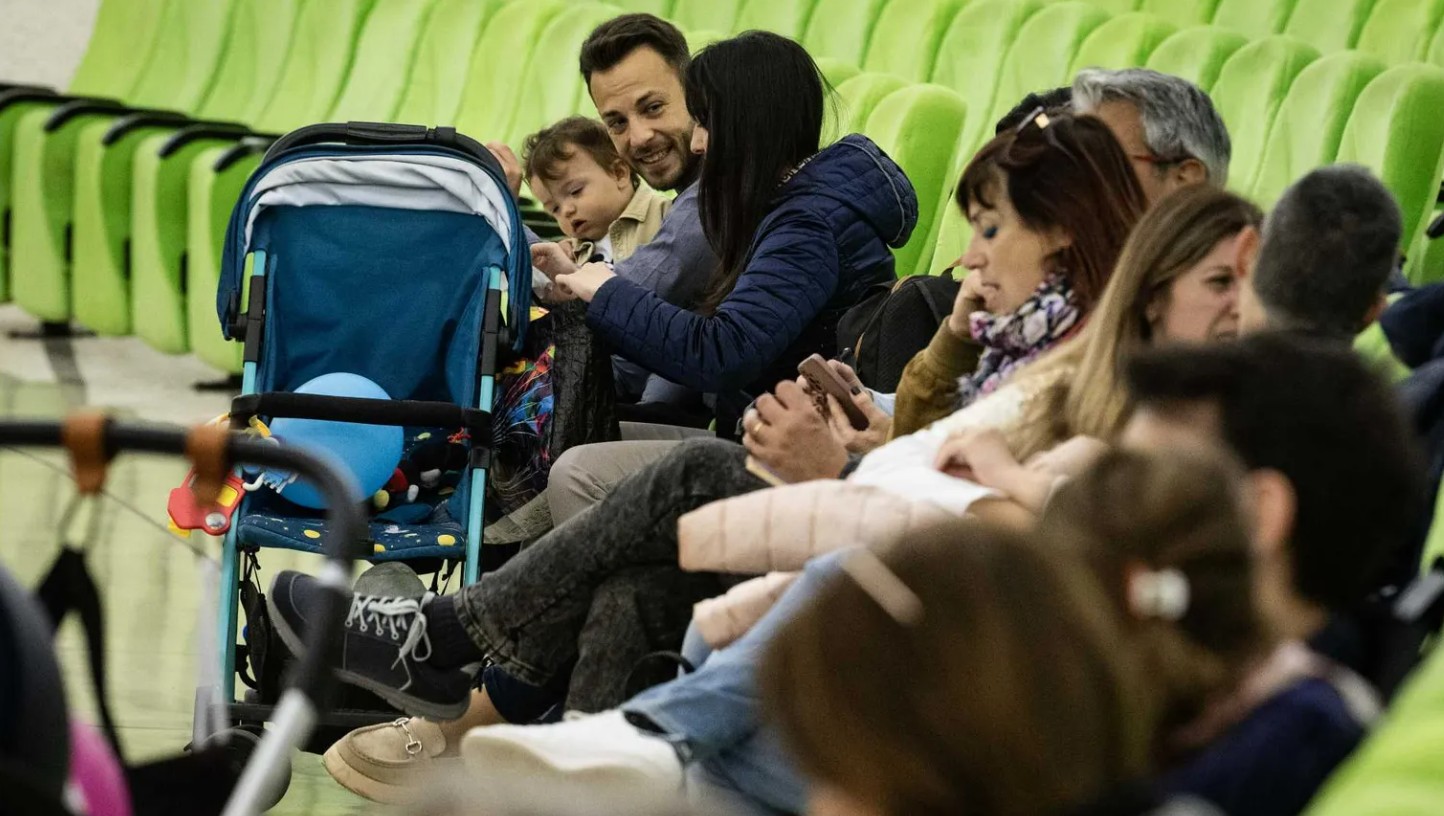
Childless Europe must choose whether to be Nehemiah or Babel – an oped by Vincenzo Bassi
Childless Europe must choose whether to be Nehemiah or Babel Published on 11 June 2026 in the Italian newspaper Avvenire The demographic challenge reminds us that the future is not built only in institutional buildings, but above all in
