2nd of June 2026, Brussels
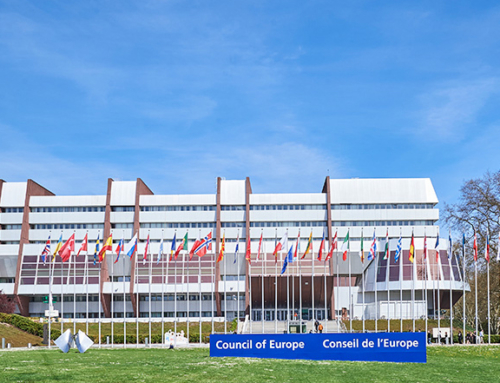
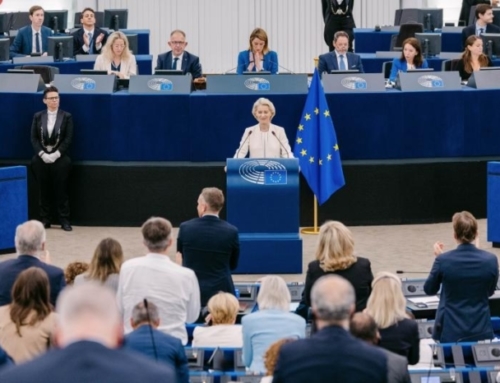
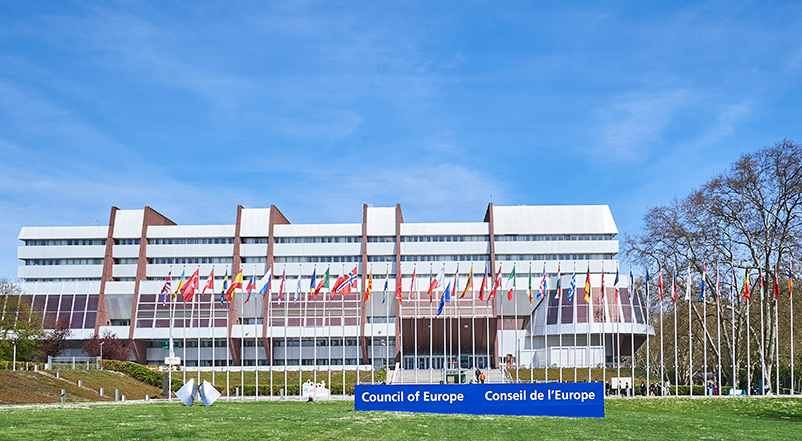
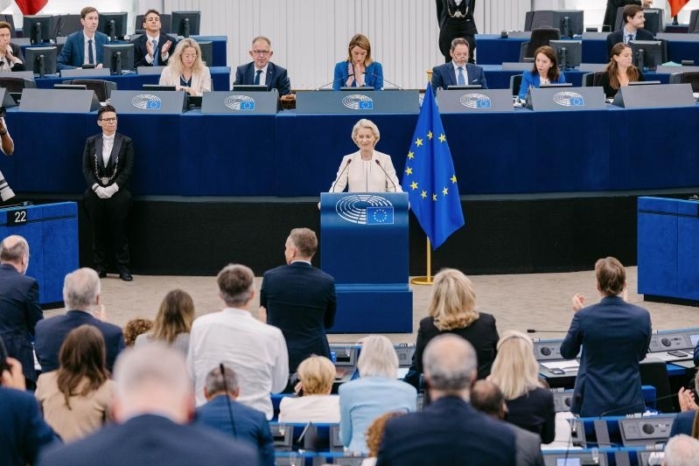
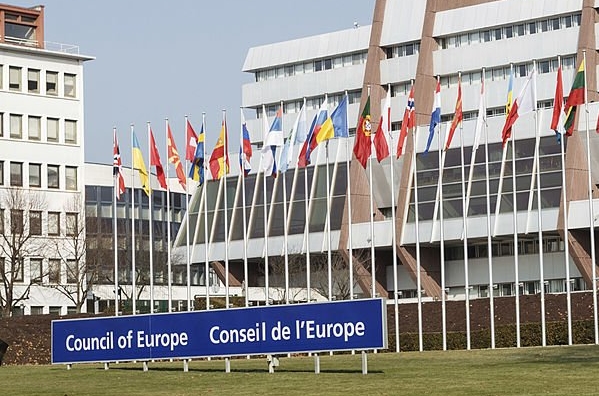
Between the 21st and 24th of April, FAFCE was closely following the Parliamentary Assembly of the Council of Europe in Strasbourg and met with Members of the Assembly and relevant stakeholders.
Among the several debates and events that took place, FAFCE focused on the reports on Countering discrimination based on religion and protecting freedom of religion and belief in Europe, Promoting the Istanbul Convention and improving its implementation: building on lessons learnt and Paving the way for a culture of consent.
FAFCE would like to highlight the debate on the report titled Countering discrimination based on religion and protecting freedom of religion and belief in Europe, presented by Mr Francesco Verducci on behalf of the Committee on Equality and Non-Discrimination.
The report emphasises “the essential role of freedom of religion or belief in democratic societies and highlights the growing concern over discrimination and intolerance based on these grounds in Europe” and was voted on the 21st of April.
FAFCE was deeply concerned about paragraph 8 stating that “religious education must be inspired by pluralism and be objective and non-confessional.”. FAFCE recalls that parents are the first educators and have the right to ensure education in conformity with their religious and philosophical convictions. Religious education transmit ethical values, foster solidarity, and encourage civic engagement. It can contribute to mutual respect, human dignity, and the common good within our societies.
As stated during the debate in the plenary by Member of the Parliamentary Assembly from Austria, Ms Sandra Jäckel (ECPA): “religious education without a confession of faith is no longer religious education”. She also recalled the right of parents to decide on the religious education of their children and reminded that this right would be jeopardised “if denominational education is pushed back”.
Ms Andrea Eder-Gitschthalter (Austria, EPP/CD) also brought up parents’ right to religious education of their children and furthermore noted that “denominational religious education can make an important contribution to the development of children in a democratic order that is committed to human rights”. She was one of the MPs that tabled amendment 3 on the important contribution of religious education to a democratic society: “The Assembly emphasises that religious education should make an important contribution to a democratic society. It further recognises that religious communities have a great responsibility, when passing on their faith, to convey not only their own beliefs but also respect for other religions and religious convictions. It further calls on parents, in raising their children, as well as all forms of denominational religious educational institutions, to teach respect for other religions and world views, and to ensure that religious education contributes to peaceful coexistence and social cohesion.”
Mr Niklaus-Samuel Gugger (Switzerland, EPP/CD) pointed out that while “Christians are the most persecuted religious community in the world”, and attacks on churches and converts in Europe are rising, the European Union has no coordinator for anti-Christian hatred.
Ms Mónika Bartos (Hungary, ECPA) also spoke about discrimination against Christians being on the rise and recalled the Christian roots of her country and Europe. She noted that “reconciliation is a necessary prerequisite for lasting peace” and quoted Pope Saint John Paul II who said that peace is based on truth, justice, solidarity and freedom.
While this report focused mostly on antisemitism and islamophobia, FAFCE has to remind that intolerance against Christians persists across Europe and should be addressed within a comprehensive and consistent human rights framework. The classification by The Organization for Security and Co-operation in Europe (OSCE) identifies three religious groups as primary targets of discrimination and hate crimes in Europe: Christians, Jews, and Muslims, which reflects a focused and evidence-based recognition of the main religious communities affected by hostility and violence.
FAFCE welcomes amendment 3 and recalls that taking into account the role of parents as primary educators and recognising them as key partners helps ensure coherence between educational environments and family upbringing, thereby strengthening the contribution of education to peaceful coexistence and social cohesion. At the same time, we must uphold the right of parents to ensure education in line with their religious and philosophical convictions. Respecting this right is not a constraint – it is a foundation of pluralism and democratic legitimacy.
More on FAFCE work on the discrimination of Christians:
Increasing violence against Christians inside the EU: OIDAC Report
and on the role of families and parents in education:
2024 FAFCE Intervenes at Council of Europe Event on Education and Subsidiarity
2025 September PRESS RELEASE: UN Side Event on the Principal role of Families in Education