Brussels, 23rd of July 2026
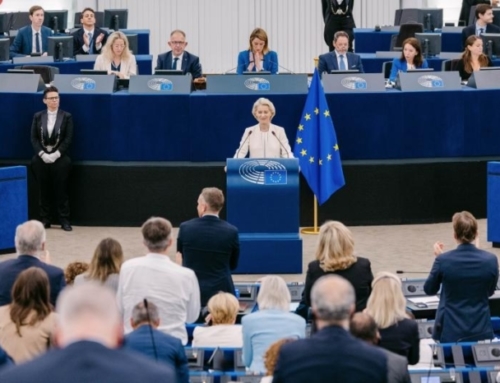
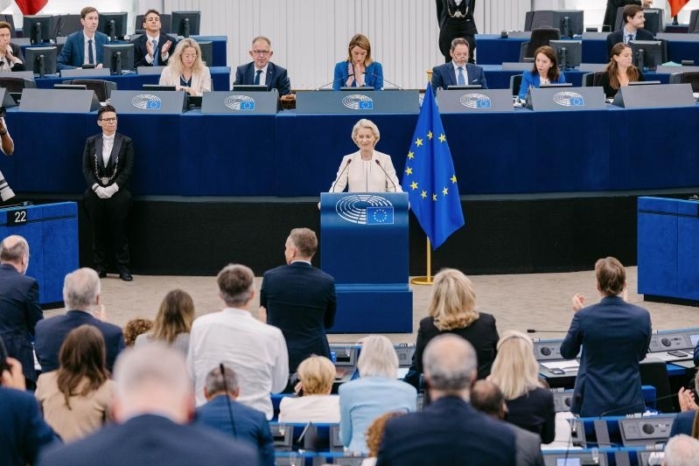
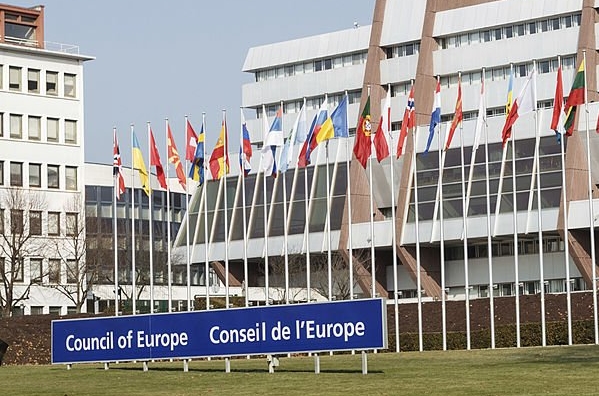
Between the 22nd and 26th of June 2026, FAFCE was closely following the Parliamentary Assembly of the Council of Europe in Strasbourg and met with Members of the Assembly and relevant stakeholders.
Among the several debates and events that took place, FAFCE focused on the report Violent pornography: a test for human rights, concerning violent pornography and its impact on society. This report was voted on the 25th of June.
The debate saw an unusual consensus on the topic among all political groups.
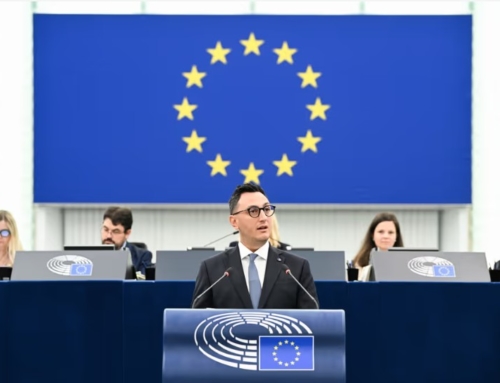
Niklaus-Samuel Gugger (Switzerland, EPP/CD) mentioned alarming data: “90 % of online pornographic content contains violence against women, half of all boys aged from 12 to 13 visit porn websites every month”. He added that “images shape attitudes, attitudes shape action” and called for action: “children deserve freedom, not addiction”.
Rónán Mullen (Ireland, EPP/CD) brought attention to the problem of pornography per se and reminded that “pornography is not cost free, it never is, there is no ethical porn (…) it is on the rise and it’s a catastrophe. There is a link between it and violent behaviours that need to be further investigated”. He further added that “it violates human dignity in every situation” and that “we must never forget either that children’s access to pornography per se is already a form of sexual abuse.” He also highlighted the importance of the rights of parents and respecting their primary role as educators and called for recognising parents as partners in this fight.
This resolution contains several important points highlighting the need for protection for children from the exposure to pornography. Unfortunately, there is little emphasis on the damaging impact of pornography on mental health and the link between pornography exposure and violence.
FAFCE would like to bring attention to the SOC (Social Affairs, Health and Sustainable Development) Committee Opinion and words of Mr Mr Joseph O’Reilly (Ireland, EPP/CD), who expressed hope that “in the future all forms of pornography will be considered to be violent and dangerous enough to be prohibited” and reminded that “this is a crucial health issue for children and the society as a whole”. SOC Committee also suggested amendments strengthening the importance of protecting children, their mental health and privacy, as well as detecting and criminalising CSAM (child sexual abuse material).
FAFCE is particularly happy that the points “Children must be protected from exposure to any form of pornography.”, as well as “campaigns addressing the dangers posed by children’s exposure to all forms of pornography” were included in the resolution.
Following the recommendations of the European Child Shield Platform, FAFCE also welcomes the decision to add “psychological” harm to the definition of the so-called ‘violent pornography’ and that the resolution notes “the negative impact of pornography consumption on children’s mental health, emotional and sexual development.”
FAFCE is deeply concerned about paragraph 16.3.1 which “ensure that comprehensive sexuality education in schools is mandatory” and regrets that the amendment protecting the right of parents in education was rejected together with the amendments 26 and 30 on the importance of research on the “correlation between consumption of pornography and violence against women, men and children.” Parents are the first educators of their children and must be strengthened in that role.
FAFCE welcomes the effort to address violent pornography and to put this topic on the political agenda, nonetheless we would like to stress that all pornography has a devastating impact on society, especially on children and adolescents and should be considered as a public health issue.
Read more on FAFCE work for the protection of minors:
2025 New Council of Europe measures to protect minors from online pornography
2025 PRESS RELEASE : FAFCE Conference on protecting children from online threats
2025 FAFCE’s intervention at the European Parliament on Child exposure to pornography
2024 FAFCE Comment on UN Treaty on Cybercrime
2024 European Child Shield Platform publishes advocacy document