17th August 2026
Dear friends of FAFCE,
In this heated Summer, we hope that you are given the time to rest and to take care of your family. Holidays are the best moments to tighten the bonds between generations and to enjoy experiences (nice or sometimes less fortunate !) that will remain forever in the family’s memories.
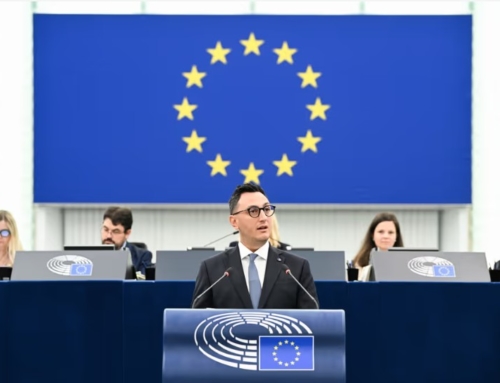
As I was hearing the first reading during the Assumption Mass, I remembered that “a woman [with] on her head a crown of twelve stars” has led to the design of the European flag : blue with twelve stars. From its beginning, the European project was inspired by Christian culture. With your support, we will keep this commitment to fuel European politics with Hope and Charity.
I need to share with you the difficult times that the Federation of Catholic Family Associations in Europe (FAFCE) is living at this moment. Due to the refusal of the European Commission to fund all our projects, as they allegedly “may contravene EU equality”, our budget is in dire need of help. We are at a crossroads. We can only continue to our level of activity and expand our mission for the family with your support.
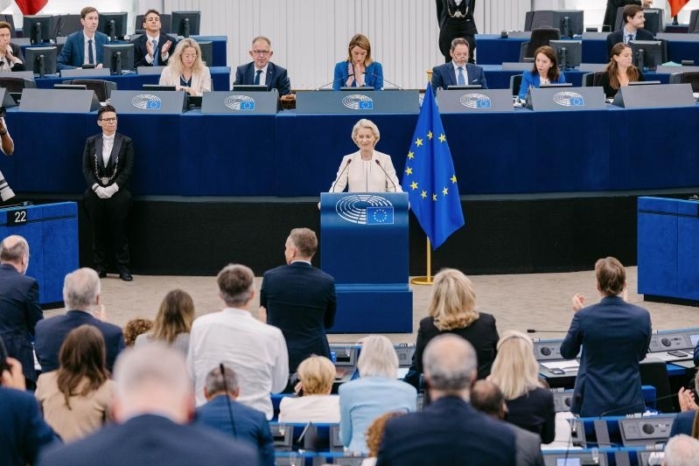
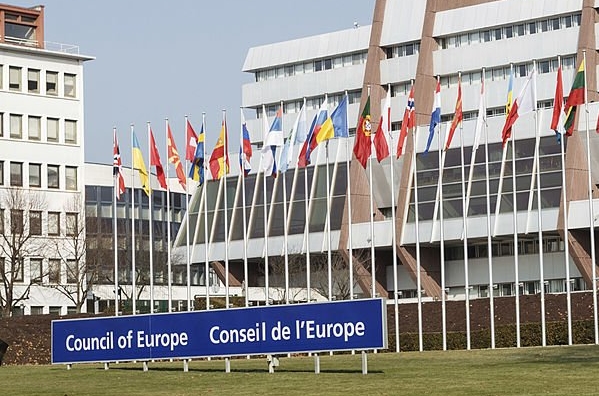
During the last few months, FAFCE was active in the European Parliament, the Council of Europe and the United Nations-related NGO community, while also trying to strengthen its internal budget.
April began with FAFCE’s advocacy on the protection of children online. We welcomed the European Commission’s work on an EU age-verification system and particularly highlighted the principle that parents, rather than digital platforms, have the primary responsibility for raising and educating their children.
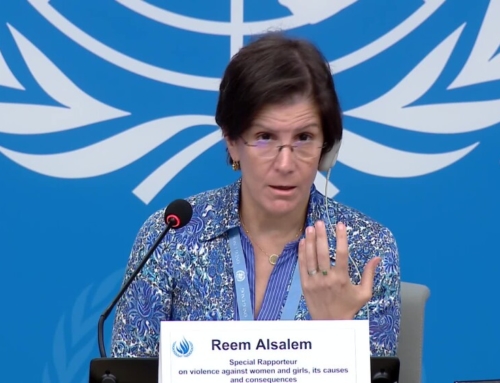
FAFCE also achieved an important institutional presence within the Council of Europe’s civil-society structures: our Advocacy Director, Teresa Gerns, was elected Co-chair of the Women’s Rights Committee of the Conference of NGOs of the Council of Europe (CINGO). The committee works on gender equality and women’s rights, policy proposals and advocacy, giving FAFCE an additional channel through which to contribute to Council of Europe discussions.
A major focus in April was Ukraine. FAFCE organised, together with L’Œuvre d’Orient and with the participation of MEP General Christophe Gomart, the European Parliament conference “Peace Actors in Ukraine: Families Paving the Way to Peace”, held on 22 April. FAFCE presented families not only as vulnerable groups requiring protection in wartime, but also as actors of resilience, reconciliation and future peace-building. Speakers included representatives coming directly from Ukraine, like Bishop Radoslaw Zmitrowicz, a Ukrainian refugee mother and representatives of Équipes Notre-Dame in Ukraine.
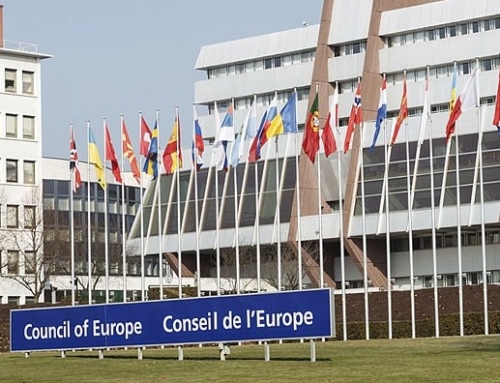
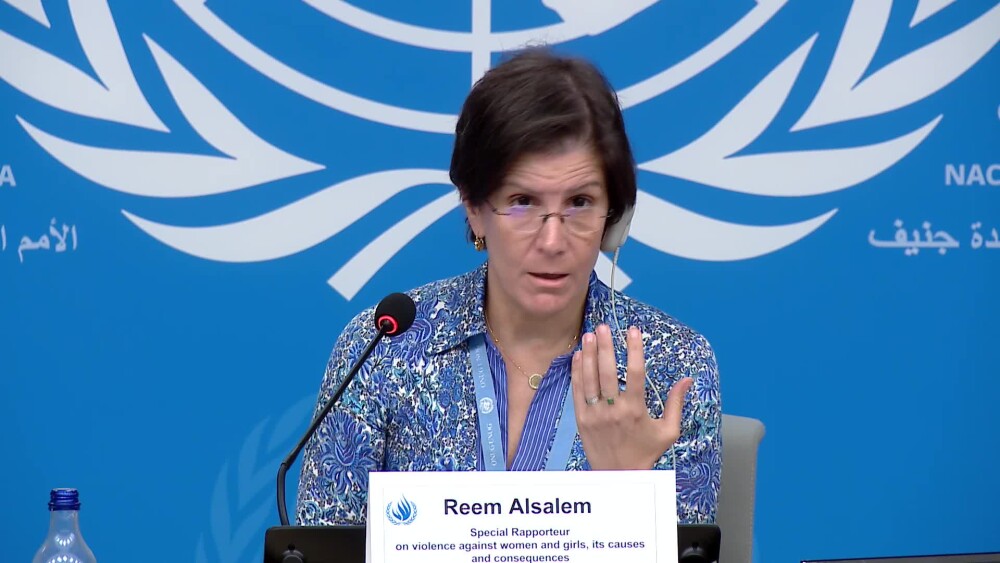
At the Council of Europe, FAFCE was also following the Parliamentary Assembly’s April session in Strasbourg and engaging with parliamentarians on questions including freedom of religion, discrimination, the Istanbul Convention and the culture of consent.
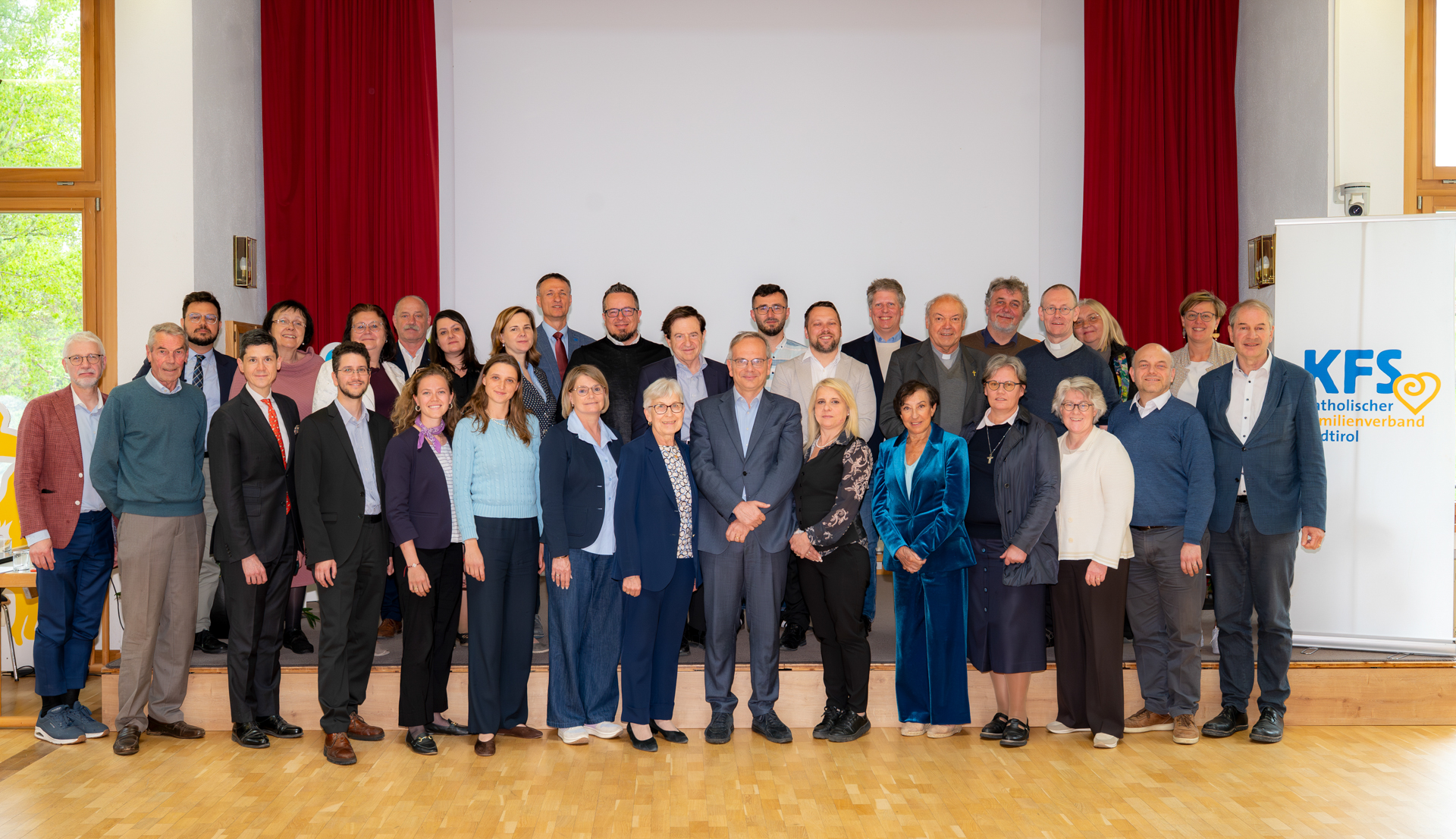
The peak of our Federation life was the Spring Board Meeting in South Tyrol, held from 5 to 7 May in Bolzano. Members from across Europe met to review their activities, discuss the Federation’s work at European and UN level, and establish strategic priorities for the months ahead. The meeting also included participation in a conference marking 60 years of family policy in South Tyrol.
The Board adopted the resolution “The family as source of hope: Lighthouses of Hope – Christian virtues as a way of life.” The resolution presents families as sources of stability, solidarity, social awareness, peace and joy in a context marked by war, demographic crisis, loneliness, problematic uses of digital technologies and consumerism. It also reiterates FAFCE’s understanding of intergenerational and family-to-family solidarity as a foundation from which political actors can learn.
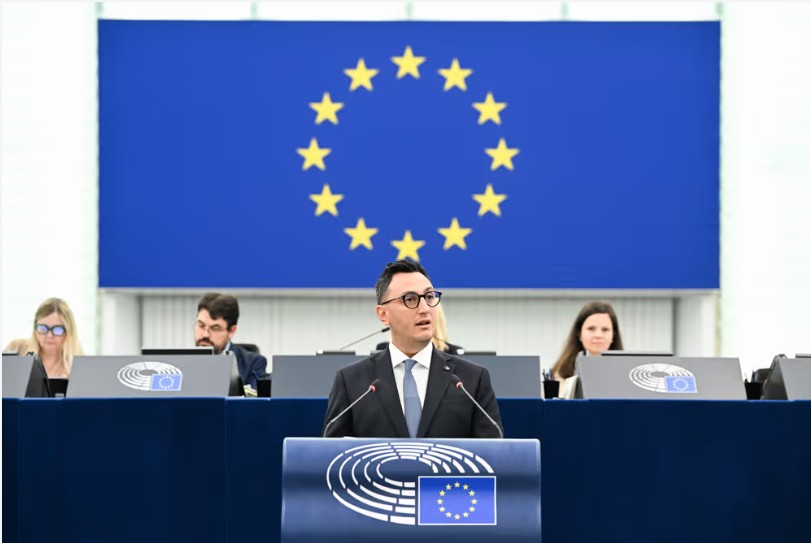
On 25 May, I had the privilege to attend a significant meeting at the Vatican when Pope Leo XIV received members of the European Parliament’s Demography Intergroup. I subsequently spoke at a conference on family and demographics, emphasising the role of family networks in responding to loneliness and explaining why family policies should be understood as an investment rather than a cost.
In June, Maria Waszkiewicz took part in the Warsaw conference “Motherhood in the 21st Century – Support and Protection Policies in the Face of Challenges and Threats.” The event brought together politicians, academics, lawyers and NGOs and examined motherhood and parenthood, family support policies and surrogacy, including its legal, psychological and ethical dimensions.
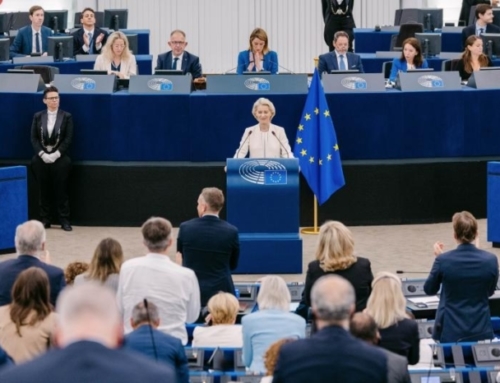
Another important strand of FAFCE’s June work concerned children’s safety online. Following the European Parliament’s 17 June debate on children’s safety and mental health in relation to social media, FAFCE emphasised the risks posed by harmful online content and particularly the exposure of children to pornography. The Federation linked this issue to its wider work through the European Child SHIELD Platform and to the need for stronger protection of minors.
FAFCE’s Council of Europe advocacy continued during the Parliamentary Assembly’s June session, with particular attention to the report “Violent pornography: a test for human rights” voted on 25 June. In its July assessment, FAFCE welcomed the political consensus around protecting children from pornography and the recognition of its potential impact on children’s mental health and development. At the same time, FAFCE expressed reservations about elements of the resolution, particularly the insufficient emphasis on the rights of parents as primary educators.
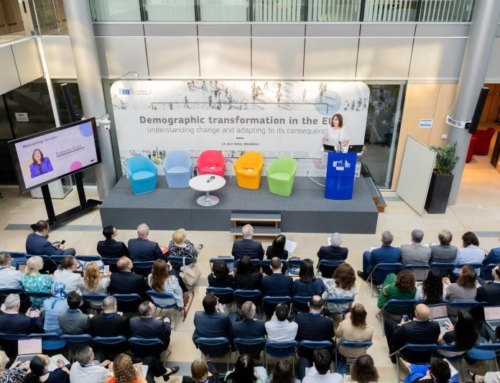
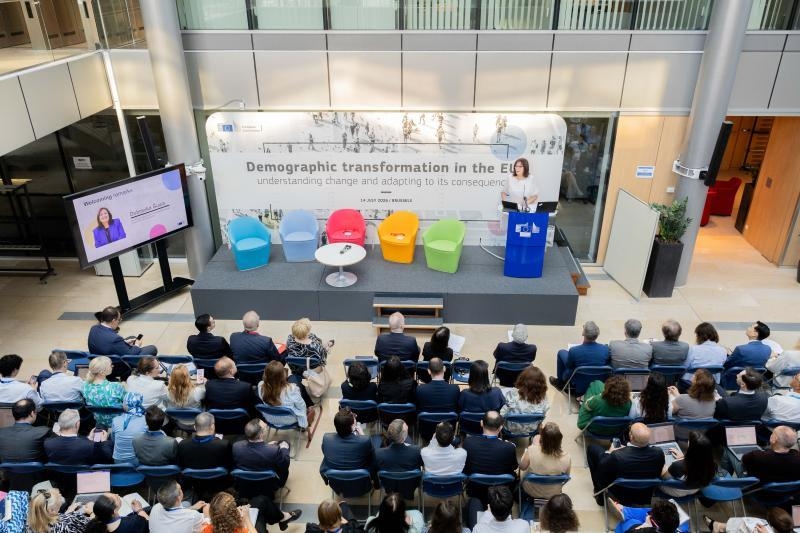
The most recent major item published by FAFCE concerns the EU’s demographic policy. On 14 July, FAFCE was invited to the European Commission’s presentation of its third demographic strategy. The Federation welcomed the announcement of a European Demography Forum, expected to convene for the first time in March 2027, seeing it as a positive step toward more structured European-level discussion of demographic issues.
First, demographic renewal is still a central strategic concern. FAFCE has consistently argued that Europe’s demographic decline cannot be addressed simply through labour-market measures: policies must recognise marriage, parenthood, children, intergenerational solidarity and unpaid family care as fundamental social goods. Our Spring Board Resolution, participation in the Vatican meeting on demography and response to the European Commission’s new demographic strategy all point in the same direction.
Secondly, FAFCE has significantly developed its advocacy for children and parents in the digital environment. Its interventions on age verification, social media and pornography consistently emphasise child protection, while defending the primary role of parents in education and upbringing.
I do hope that you will consider helping us in order to make those projects into real achievements.
I wish you all a nice and relaxing family time during the remaining weeks of Summer !
Yours faithfully,
Vincenzo Bassi
FAFCE President