Brussels, 22nd June 2026
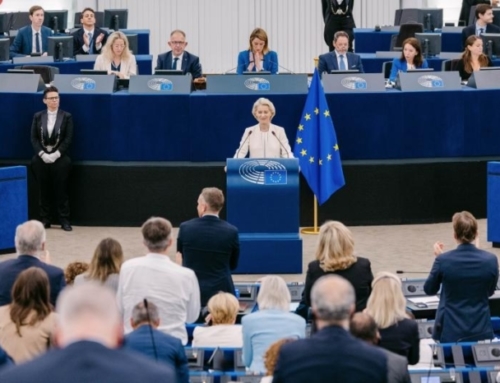
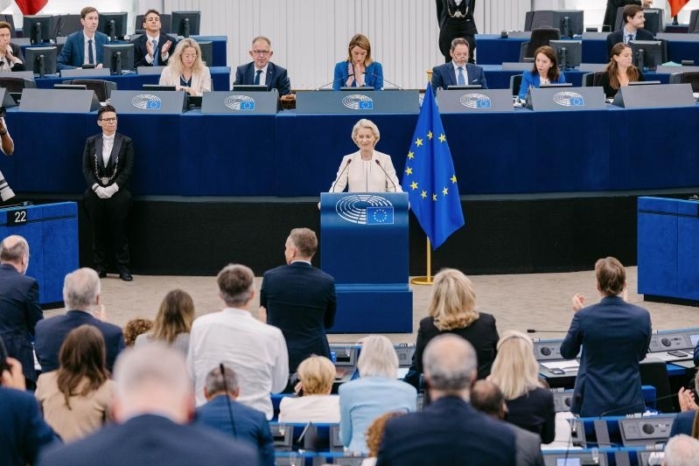
On Wednesday 17 June 2026, the plenary session of the European Parliament debated over the ways to protect children’s safety and mental health from the risks posed by social media.
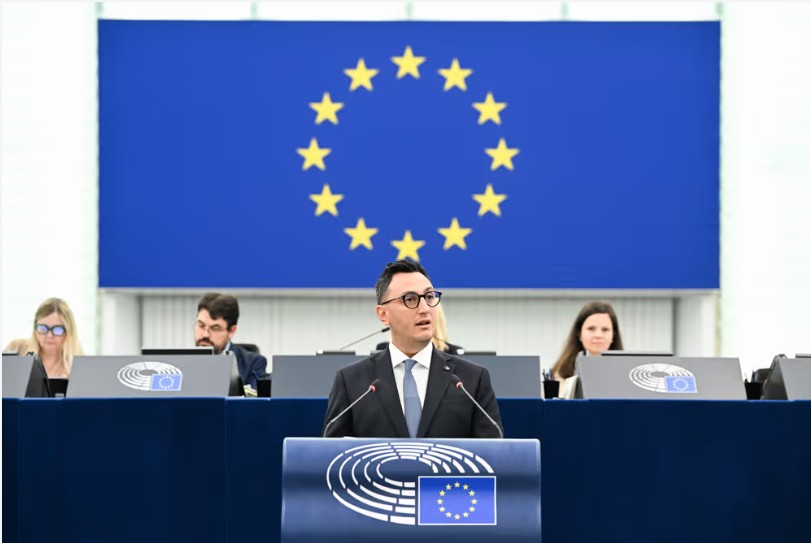
European Commissioner for intergenerational solidarity Glenn Micallef (S&D, Malta) described the gloomy picture of children’s mental health : “many adolescents today are struggling to control the time that they spend on social media” he said.
Regarding the state of the legislation, the European Commissioner explained that “We already have one of the world’s most ambitious frameworks when it comes to protecting minors online. […] The Digital Services Act also allows us to take action when social media platforms turn a blind eye to minors under 13 that are accessing their services.”
There are many risks of harmful content on the Web ; but as FAFCE and other members of the European Child SHIELD Platform frequently explain, the access of children to online pornography, especially when forced or unintended, paves the way for child sexual abuse. FAFCE strongly supports the “zero tolerance” policy for online platforms that do not respect children’s rights, as their best interest comes before commercial interests.
Mr. Glenn Micallef gave an account of the current actions taken by the European Commission, saying : “Our preliminary findings against TikTok indicate this. Platforms that claim to be adult only are held to account when they allow access to children to age-inappropriate content. There are now preliminary findings against four large pornographic platforms. The Digital Services Act also allows us to take action when social media platforms turn a blind eye to minors under 13 that are accessing their services. We have preliminarily found Meta to be in breach of the DSA.”
As it was welcomed by FAFCE a few weeks ago, an advisory panel on child safety online is right now advising the President of the European Commission on the best technical ways to protect children in the online world. This new body is in line with FAFCE call for a deeper inclusion of parents and family networks in order to empower parents in their role to prevent, assess and remedy to online risks in the education of their children.
Following the statement from the European Commissioner, the rounds of debate between political groups showed the awareness of the situation by Members of the European Parliament.
For EPP, Ewa Kopacz (Poland) stated that “If we don’t teach our children what respect and closeness are, they will be told by an algorithm that has no interest in telling them the truth.”
Alex Agius Saliba, for S&D group, recalled that “We have even seen children who have committed suicide. This is a pandemic that is affecting the European Union and we must take immediate steps. Immediate steps by implementing the European Digital Services Act and ensuring that it is enforced.”
On a more technical side, Annamária Vicsek (Patriots group) explained that “Age restrictions alone are not enough; reliable age verification and parental supervision are also needed. Parents must be able to monitor their children’s online presence.”
For ECR group, vice-president Antonella Sberna presented the initiatives in her home country : “Italy is doing so with an approach that goes beyond a single tool: no smartphones in the classroom, parental control over minors’ devices, digital education in schools, and a law on social media access now before Parliament.”
With no complacency, Renew president Valérie Hayer described the risks of social networks: “Anxiety disorders, depression, addiction, cyberbullying, impaired sleep and self-esteem: the risks to children’s mental health and development are now documented.”
Members of the Parliament concluded the debate by asking for more robust measures protecting children online and a better responsability from online plateforms.