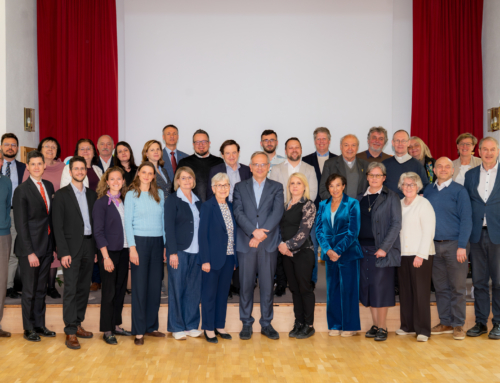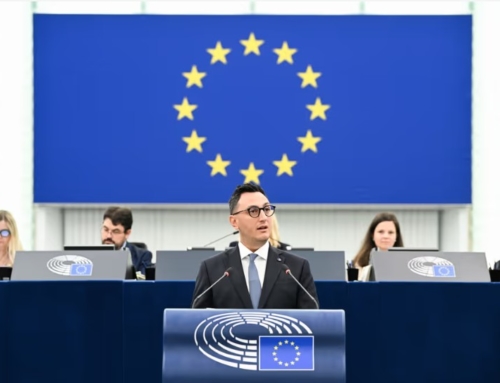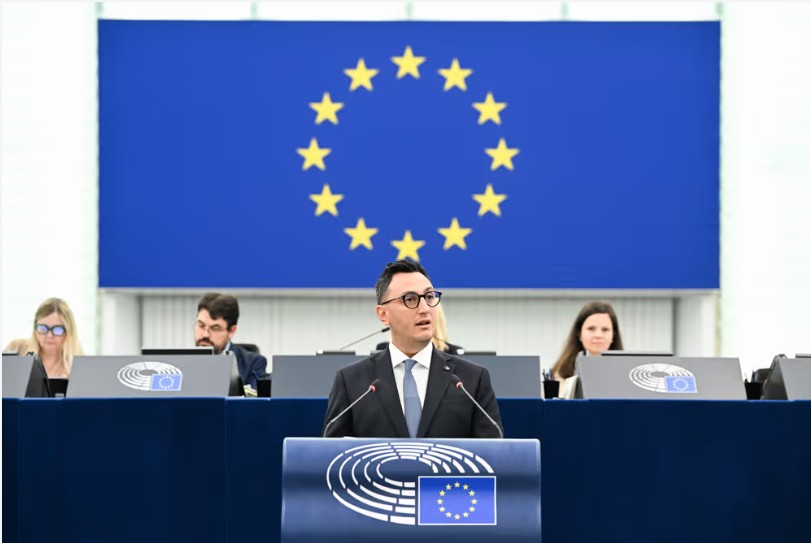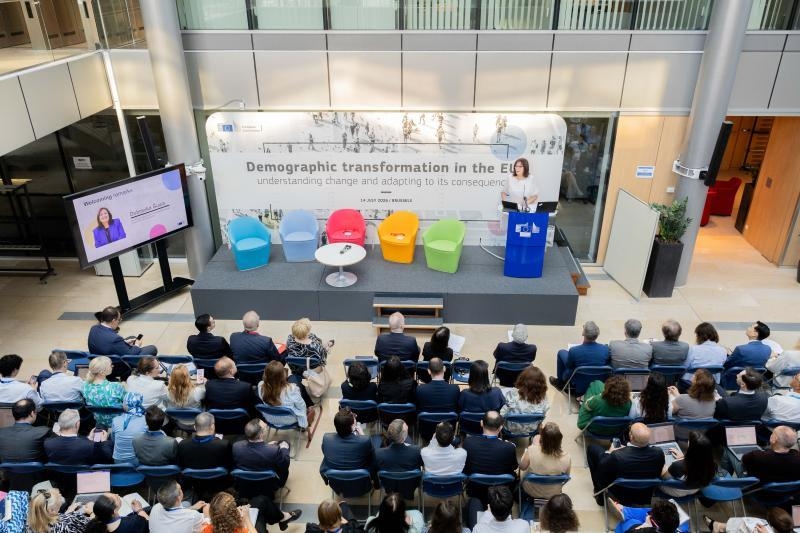
Brussels, 14 July 2026 After its first-ever demography report in 2020 and its second demography report in 2023 after Brexit and the Covid-pandemic, the European Commission presented the third edition of this strategy during a hot Tuesday in Brussels, plagued by a heatwave. Commissioner for the Mediterranean, with Demography in its portfolio, Mrs Dubravka Šuica, hosted the meeting and made the introductory and conclusion speeches. Commissioner Šuica recalled that “Demographic change is not happening in the distant future : it is happening right now, it affects all generations” and she praised the publication of this report as “the challenge before us can only be tackled by scientific, evidence-based policy […] for concrete solutions, addressing these issues across our Member States and regions.” Among the concrete solutions, the report lays foundations for raising the amount of workforce in specific groups such as unemployed or inactive working-age women in order to compensate for the retirement of older workers. But let us not forget that many women improperly labeled as “inactive” are actually taking care of their family, namely raising their kids or providing free care for an older parent. Since the beginning of its mandate, the Von der Leyen II Commission have published the Intergenerational Fairness Strategy, the Affordable Housing Plan and launched the Health Union. After reminding the audience that there is still no formal meeting of the European ministers of demography, she announced “I am looking forward to the European Demography Forum, which we will convene next March for the first time“. FAFCE believes that this Forum will be a good step before a regular meeting of EU demography ministers. In her closing speech, the Commisioner thank the stakeholders and the Joint Research Center for providing crucial data and writing together the present report. With confidence, she recalled that “We have tools, so there is some optimism !” Present at the event were two national ministers : Mrs Eugenia Roccella, Italian Minister of the Family and Natality, and Mr. Ivan Šipić, Croatian Minister of Demographics and Immigration. Eager to avoid all fatalism, Mrs Eugenia Roccella stated that “Preparation is not resignation“, but she expressed the dire need to better understand the links between economic trends and the demographic change. She underlined the fact that the current decline of marriage rate has led to a decline of natality and asked for a better preoccupation for families in the political agenda. She also stated that migration is not a solution to the decline of birt rate. Finally, Minister Roccella warned that “We are not only losing population, we are also losing human relations“. Reminding the fact that “Demography is a matter of survival and of quality of life for families“, Mr. Ivan Šipić described the worrying data showing how the working-age population is deeply affected by the fall of population. He rightfully explained that “No single measure can deal with demographic challenges” and described the solutions that the Croatian governement put in place, concluding in saying : “We would like to see thoses measures implemented in EU Member States, because no Member State can act alone.” Source : EC Audiovisual Service The event was also marked by the intervention of Members of the European Parliament, namely the three co-chairs of the Demography Intergroup. With the presence of the two national ministers, their speeches provided a first kind of inter-institutional dialogue on demographic challenges. FAFCE expresses its gratitude that the European institutions are now openly debating on such an important topic. MEP Romana Tomc (EPP) focused her intervention on pensions and the gender-pension gap, which is the difference between the amount of retirement benefits perceived by men and by women. Studies shows that women receive significantly lower pensions on average than men, even though women live longer and face therefore higher financial needs. MEP Vasile Dincu (S&D) resolutly expressed his opinion that “We should consider our population as a strategic asset“. He also explained that “We are entering into an economy of human scarcity […] Europe is shifting from a society of growth to a society of longevity“. MEP Paolo Inselvini (ECR) quoted the words of His Holiness Leo XIV during the audience he gave to the Intergroup last 25th May. MEP Inselvini recalled that “the European Union must invest in Life, family and children“. A keynote speech was given by the Commissioner for Cohesion Policy, Mr. Raffaele Fitto. He first presented the newest data on ageing as an achievement of European quality of life, which produced the effect that people live longer than before. Speaking of his portfolio, he explained that “The decline of birth rate is a matter of cohesion policy, which goal is bringing people together. All the people in Europe have the right to stay, nonwithstanding the right of movement“. Developing further about the worrying fact that young people are the first to leave their regions due to the lack of opportunities, Mr. Fitto stated that “Cohesion is about demography ; it is about the future” and described his role as ensuring that many regions can thrive. Something that will be important to remember as the negotiations on the new Cohesion policy are dragging on. He also presented the future European Strategy on the right to stay as a tool to mitigate brain drain from depopulated regions. Since 2018 and its Resolution on the Demographic Winter, FAFCE have called for urgent actions on this field by putting the family at the center of national policies. FAFCE welcomes the new report issued by the EU and hopes that measures will be implemented to guarantee a thriving future for our children.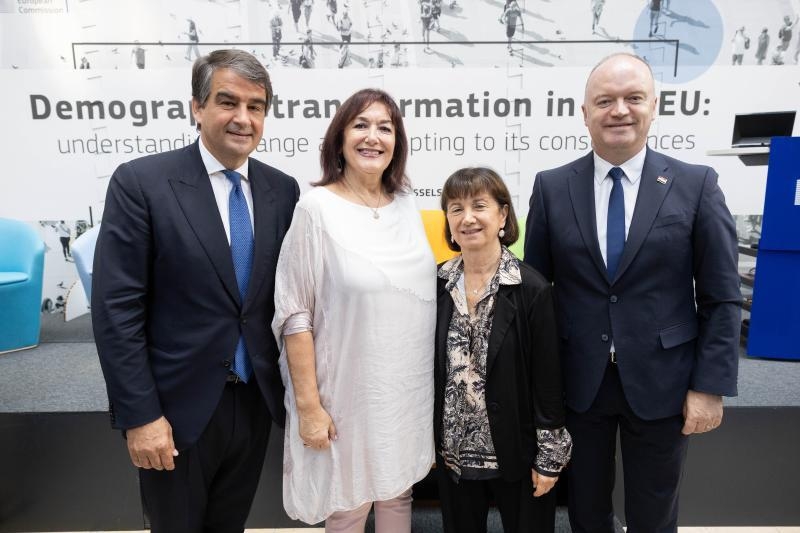
Photographer :
Jennifer Jacquemart
(c) 2026